Analyzing the Shift: Why Telegram's Move to Rebrand Its Native Token from TON to Gram Is a Strategic Power Play
Key Takeaways
The rebranding of TON to Gram is a deep strategic pivot designed to restore the token’s foundational identity, minimize regulatory baggage, and solidify Telegram's operational role as a core blockchain validator for mass institutional adoption.
Table of Contents
Telegram's proposal to rebrand its Telegram Open Network (TON) native token back to 'Gram' is a strategic move to restore its original identity, minimize regulatory baggage, and regain institutional trust. This calculated effort to re-anchor the ecosystem aims to bypass previous market confusion. The narrative suggests a disciplined return to the token's foundational vision, telling the market the project is focusing on its core technological utility.
Understanding this announcement means looking at the project's history. The initial development phase utilized 'Gram' as the intended name for the token, a nomenclature that preceded the current TON branding. The shift away from this original name was heavily influenced by the intense and often fraught regulatory scrutiny faced by Telegram and its associated entities, particularly involving global financial regulators. These historical legal complexities provided the crucial backdrop: the rebranding serves as a mechanism to symbolically distance the current operational structure from past legal baggage, while simultaneously invoking the original, conceptually clean name. This dual move—shedding legal baggage while returning to its roots—is the core reason for the rebrand.
The strategic necessity of rebranding
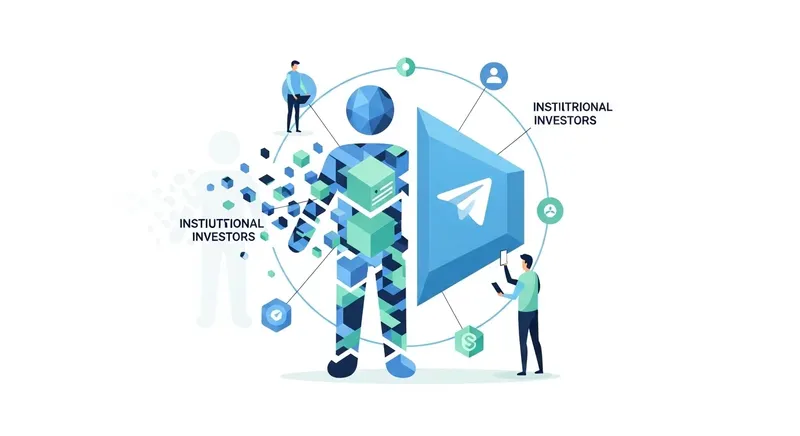
The rebranding is closely tied to the project's future roadmap, the 'Make TON Great Again' (MTONGA) plan. This plan positions Telegram as more than a communication platform; it aims to make it a foundational layer of decentralized infrastructure—the world's largest validator and a massive gateway to crypto-enabled services. By resetting the token's identity to 'Gram,' Telegram is trying to simplify its value proposition for institutional investors. They are creating a clear, historically grounded identity to minimize the perceived risk associated with past name changes and regulatory battles.
Using the 'Gram' name links the token's value back to its origins, connecting the platform's founding vision with the asset itself. This clarity is vital for attracting capital that demands predictability. The technical shift points to a consolidation of influence: Telegram is positioning itself as the primary orchestrator of transaction validation, closely uniting its internal commercial interests with the token’s utility.
The 'Gram' name and the original vision
Returning to 'Gram' is a significant narrative shift. The name carries the weight of the project's original whitepaper. In the often chaotic crypto world, narrative authenticity is a key driver of perceived value. By going back to 'Gram,' Telegram is making a public declaration that its current operations align with the project's founding charter. It's a calculated move to address market fatigue and clear up the developer community's confusion over the multiple name changes (TON vs. Gram). It aims to create a singular anchor point for the asset’s identity, making it easier for developers and partners to map the token to its foundational roots.
Developer and dApp compatibility
While the rebranding is primarily about governance and market signaling, executing it requires complex technical overhauls. For developers, the immediate concern is seamless migration. The transition demands careful attention to smart contract compatibility, API endpoint updates, and wallet adjustments across every dApp on the network. The challenge is making sure the core blockchain technology remains stable while the token's identity changes. This signals a mature infrastructure capable of withstanding identity shifts—a crucial indicator for enterprise adoption.
A consistent identity (the 'Gram' name) allows for cleaner technical documentation and clearer integration paths for developers, which is fundamental for scaling up.
Google Search Preference
Add Fintech Monster to your preferred sources
Never miss deep, analytical fintech insights. Prioritize our stories in your Google Search, Discover feed, and AI Overviews with one click.
About the Author
Fintech Monster
Fintech Monster is run by a solo editor with over 20 years of experience in the IT industry. A long-time tech blogger and active trader, the editor brings a combination of deep technical expertise and extended trading experience to analyze the latest fintech startups, market moves, and crypto trends.
Related Articles
Recommended
Why ZeroRisk's $10M Raise Signals a Shift in Payment Risk Orchestration
ZeroRisk's $10 million raise validates the growing need for sophisticated risk orchestration in payment processing, signaling a market shift toward proactive, centralized security intelligence rather than reactive fraud detection.

UniCredit's Strategic Play: How Minority Stakes are Reshaping European Digital Debt Financing
UniCredit's investment in VC Trade signals a major shift where established banking giants are prioritizing minority stakes in specialized fintech infrastructure providers to digitize their proprietary lending and debt management verticals across Europe.

Robinhood’s L2 Ambition: How Infrastructure Overhaul is Reshaping Retail Brokerage
StoneX predicts a significant upside for Robinhood by highlighting its strategic shift towards deploying a proprietary Layer 2 chain to enable complex tokenized assets and decentralized prediction markets.

Block's Mega Bet: Why Jack Dorsey Is Betting Big on Federal Bank Charters
Block’s pursuit of a federal bank charter signals a pivot from mere payment processing to owning core banking infrastructure, mitigating third-party risk and elevating its systemic importance within the financial ecosystem.

Circle’s $400M Acquisition of Tazapay Signals New Era for Cross-Border Payments Infrastructure
Circle's acquisition of Tazapay positions it as a critical bridge between traditional fiat payment systems and decentralized crypto rails, significantly enhancing its regulatory compliance and global B2B reach in an increasingly fragmented financial landscape.