Brazil’s Strategic Pivot: Why Classifying Stablecoins as Electronic Money Changes the Game
Key Takeaways
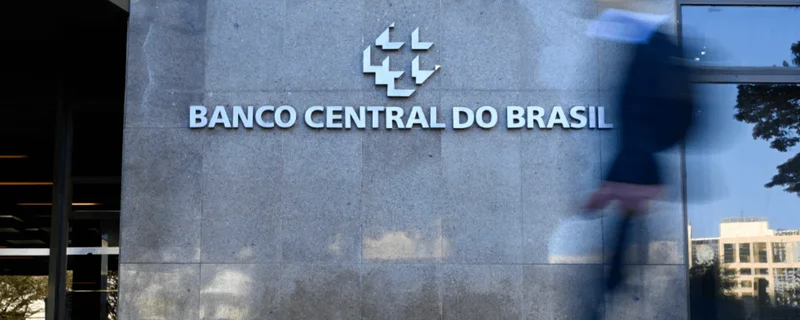
The Central Bank of Brazil (BCB) is moving to classify stablecoins as "electronic money" to create a regulated, institutional framework for digital assets as payment tools.
The Brazilian financial environment is undergoing a radical transformation as the Central Bank of Brazil (BCB) signals a definitive move toward categorizing stablecoins as "electronic money" rather than speculative cryptocurrencies. This shift represents a pivotal moment in the evolution of domestic fintech, aiming to create a legally clear "safe corridor" where digital assets can function as reliable units of account and payment vehicles. By moving these assets into the e-money category, the BCB is prioritizing systemic stability and integration into traditional payment rails over the rapid, often volatile experimentation characteristic of the broader crypto market.
This regulatory pivot is rooted in the functional utility of stablecoins. Unlike standard cryptocurrencies, which are often viewed by regulators as high-risk investment vehicles, stablecoins are designed to maintain a peg—typically to fiat currencies or other high-quality assets. By acknowledging this utility, the BCB aims to bring these assets under a framework that demands higher reserve transparency, stricter capital requirements, and more robust Anti-Money Laundering (AML) and Know Your Customer (KYC) protocols. This isn't just about labels; it is about creating a predictable environment for institutional investors and merchant adoption within the Brazilian economy.
Why does the "electronic money" label matter for the market?
The distinction between a "cryptocurrency" and "electronic money" (e-money) is critical for institutional participation. When an asset is classified as electronic money, it implies that it serves as a digital surrogate for fiat currency. For the BCB, this classification allows them to impose stricter oversight on the issuers of these assets. Specifically, issuers would be required to maintain and disclose significant reserves to ensure the stability of the peg. This move effectively targets the "volatility" risk, ensuring that if a stablecoin is used in a retail transaction or for cross-peer payment, the underlying infrastructure is backed by tangible value rather than just market sentiment.
This classification paves the way for smoother integration with traditional banking systems. By aligning stablecoins with e-money standards, the BCB creates a framework where these assets can be accepted more readily by merchants and incorporated into large-scale commercial transactions. It moves the conversation from "Should we allow crypto?" to "How do we secure our digital payment infrastructure?" This shift mirrors movements seen globally, such as in the European Union’s Markets in Crypto-Assets (MiCA) regulation, which distinguishes between asset-referenced tokens and electronic money tokens to create tiered regulatory stability.
What are the risks of a stricter regulatory push?
Not all stakeholders share the BCB's optimism regarding this classification. The crypto industry group Abcripto has voiced significant concerns over what they term "regulatory friction." Their primary contention is that by moving stablecoins into the e-money category, the barrier to entry for smaller fintech innovators becomes prohibitfall. Because e-money licenses typically require massive capital reserves and extensive legal infrastructure, only established financial giants may be able to afford the compliance costs.
This could inadvertently lead to a monopoly or oligopoly in the space, stifling the growth of independent fintech startups that provide essential liquidity and innovation to the ecosystem. Abcripto argues that these high hurdles could also chill the development of decentralized finance (DeFi) protocols, which often rely on stablecoins as foundational layers for automated lending and swapping. There is a tangible risk that if the legal path becomes too cumbersome, the adoption of these assets by everyday consumers and small businesses will slow significantly compared to jurisdictions with more streamlined regulatory pathways.
Key Facts
- The BCB defines stablecoins based on their functional utility as payment tools rather than speculative investments.
- Classification as "electronic money" mandates higher reserve transparency and stricter capital requirements for issuers.
- Enhanced AML/KYC protocols are required for e-money to ensure the security of national financial systems.
- The industry group Abcripto opposes the move, fearing a monopoly over stablecoin issuance by large institutions.
- Critics warn that heavy regulation may hinder DeFi innovation and slow down merchant adoption in Brazil.
- This strategy aligns Brazil with global trends like the EU’s MiCA to foster institutional stability.
How does this impact long-term investment?
The pivot toward e-money status suggests that the "wild west" era of unregulated stablecoins is closing in favor of a structured, high-integrity infrastructure. While this may alienate some decentralized purists, it is precisely what is required to invite heavy institutional capital into the Brazilian blockchain space. By creating a clear legal framework, the BCB is betting on stability as the primary driver for mass adoption.
From a technical standpoint, this move forces issuers to prioritize their underlying architecture—ensuring that reserve assets are liquid and easily auditable. For investors, this means that while the "moonshot" potential of experimental tokens may be sidelined in favor of regulated stablecoins, the reliability of those stablecoins as a medium for trade and settlement becomes significantly higher. The goal is to build a bridge where blockchain technology provides the rails, but the regulations provide the guardrails.
Expert Commentary
From a seasoned trader’s perspective, this move by the Brazilian Central Bank is a classic "maturity play." We are seeing a pivot from speculative exploration to infrastructure integration. By labeling stablecoins as electronic money, the BCB isn't trying to kill crypto; they are attempting to "sanitize" it for the mainstream.
The tension between the BCB and Abcripto highlights the eternal conflict in fintech: the trade-off between rapid innovation and systemic safety. By choosing the safety route, Brazil is positioning itself as a prime destination for institutional players who require clear regulatory guardrails before they can deploy large-scale capital. While it might create hurdles for smaller startups, it establishes a high-value "gold standard" for what a stablecoin should look like in a sophisticated economy. For those of us watching the order books, this is about moving away from volatility as a feature and toward stability as a utility. The ultimate winners in this scenario will be the institutions that can navigate the high compliance costs to offer a "safe" corridor for digital assets.
Google Search Preference
Add Fintech Monster to your preferred sources
Never miss deep, analytical fintech insights. Prioritize our stories in your Google Search, Discover feed, and AI Overviews with one click.
About the Author
Fintech Monster
Fintech Monster is run by a solo editor with over 20 years of experience in the IT industry. A long-time tech blogger and active trader, the editor brings a combination of deep technical expertise and extended trading experience to analyze the latest fintech startups, market moves, and crypto trends.