Bridging the Digital Divide: How Telr and Geidea Redefine O2O Payments in the UAE
Key Takeaways
The Telr-Geidea partnership creates a unified payment ecosystem in the UAE, solving the 'online-offline gap' by linking Telr's robust acquiring backbone with Geidea's specialized POS solutions for seamless, single-platform commerce.
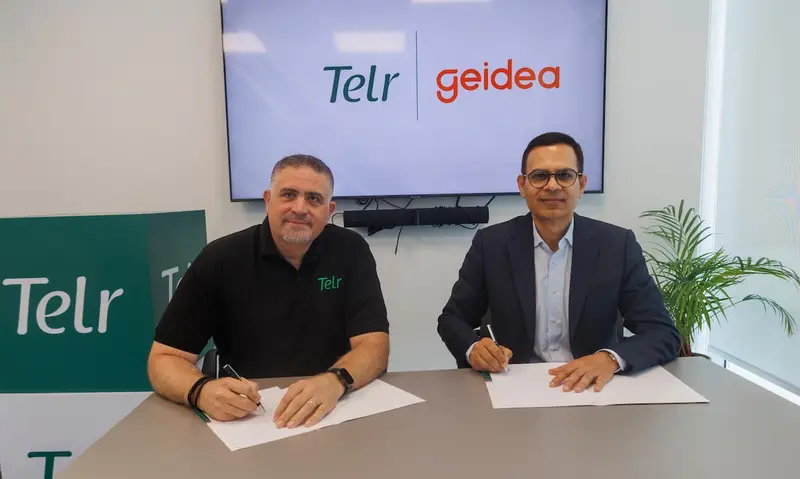
In the intensely digitized economies of the Gulf Cooperation Council (GCC), the friction between online purchasing and physical retail transactions—the so-called "online-offline gap"—has historically hampered merchant scalability. The newly formed strategic alliance between Telr and Geidea represents a massive infrastructural pivot, moving the region closer to true commerce unity. This partnership is not merely a technology integration; it is an architectural overhaul of how payments are processed, positioning merchants with an end-to-end, single-pane-of-glass solution capable of managing the entire customer lifecycle, regardless of where the transaction begins or ends.
The accelerating mandate for digital transformation across the UAE means that consumers expect a seamless experience, whether they are completing a purchase via a mobile app, clicking "Buy Now," or tapping a card at a physical storefront. Traditional payment processors often treat these two environments as siloed systems, forcing merchants to adopt complex, redundant middleware. By merging Telr's highly compliant, licensed acquiring infrastructure—the essential backbone regulated by the Central Bank of the UAE (CBUAE)—with Geidea's highly specialized, intelligent Point-of-Sale (POS) network, the duo eliminates these operational bottlenecks. They are delivering a truly unified commerce engine built for the modern, multi-channel retailer.
Why is a Unified Payment System Critical for GCC Retailers?
The core challenge addressed by this partnership is data fragmentation and operational latency. When a merchant processes an online order, the payment flow, inventory update, and fulfillment process are managed by e-commerce tools. When the customer physically visits the store, a separate POS system handles the transaction. This dual system creates costly operational risks, often leading to inventory discrepancies and compromised customer data insights. The Telr-Geidea solution solves this by orchestrating both the digital and physical touchpoints through a single API layer.
This unified orchestration ensures that a transaction recorded at a physical terminal can instantly update the inventory and billing cycle visible on the e-commerce platform, and vice versa. The result is more than just convenience; it is a leap in business intelligence. Merchants can finally view their revenue streams, customer behavior patterns, and operational overheads across one cohesive dashboard, drastically improving the quality of their decision-making process.
How Does the Technical Architecture Seamlessly Combine Acquiring and POS?
The technological backbone of this partnership rests on the clear division of labor, each party leveraging its core expertise. Telr brings the critical, high-level security and payment gateway expertise. As a CBUAE-regulated entity, Telr's foundation guarantees the highest levels of payment security, scalability, and compliance required for high-value, cross-border transactions. This acquired infrastructure is the secure plumbing that handles the millions of data packets flowing through the system.
Geidea, meanwhile, focuses on the last-mile physical implementation. Their sophisticated POS terminals and software act as the intelligent interface, connecting the physical point of sale to Telr's robust digital back end. The integration means that the physical terminal is not an isolated cash register; it is a sophisticated data capture and transaction initiation point that is instantly synchronized with the merchant’s global digital presence.
Understanding the Impact on Merchant Scalability and Data Capture
The deepest value proposition lies in the enhancement of operational intelligence. Before this partnership, many merchants operated under "data blind spots"—they knew how much they made online and how much they made in-store, but struggled to correlate them into a single customer journey view.
This comprehensive platform allows for:
- Unified Customer Profiles: Customers who start their journey browsing online can complete the purchase in-store (and vice versa). The system captures this continuity, building a single, rich profile that significantly increases the likelihood of repeat business and improves targeted marketing efforts.
- Inventory Harmony: Real-time inventory management becomes possible. A sale processed via the mobile app immediately decrements the available stock viewable on the physical POS terminal, drastically reducing instances of 'out-of-stock' disappointments.
- Risk Management: By centralizing all transaction data and adhering to CBUAE compliance standards, the risk of reconciliation errors, payment fraud, and operational discrepancies is dramatically minimized.
The Core Value Flow: From Fragmented to Integrated
| System Component | Provider | Primary Function | Business Value Add |
|---|---|---|---|
| Acquiring Backbone | Telr | Payment Gateway, Real-Time Authorization, Security & Compliance | Trust, High Volume Scalability, Regional Compliance |
| Physical Interface | Geidea | Intelligent POS Terminals, On-Site Transaction Processing | Ease of Use, Accessibility, Local Retail Integration |
| Unified API Layer | Partnership | Data Syncing, Inventory Orchestration, Single-View Dashboard | Operational Efficiency, Data-Driven Decision Making |
Key Facts
- Regulatory Compliance: The infrastructure benefits from Telr's status as a regulated entity under the Central Bank of the UAE (CBUAE), guaranteeing systemic trust.
- Scope of Integration: The partnership eliminates silos by creating a unified data flow between online e-commerce, in-store POS systems, and digital payments.
- Transaction Speed: By standardizing the underlying payment rails, the system supports rapid, reliable transaction processing across diverse retail environments.
- Target Market: Retail and e-commerce businesses aiming to expand their digital footprint and improve the omnichannel customer experience.
Future Trajectory: Why This Matters to Growth
This combined offering positions the participating merchants to move beyond simply "having an online store" to becoming genuinely "omnichannel enterprises." They can optimize their inventory movements in real-time, predict demand fluctuations based on cross-channel data, and ultimately, enhance customer loyalty by making the buying experience seamless, regardless of the channel they use. For the digital economy, solving the complex integration puzzle between physical and virtual commerce is the key differentiator for market leaders.
By achieving this level of unified visibility, merchants gain a powerful competitive edge, allowing them to deploy marketing campaigns and operational changes with precision that was previously unattainable. The synergy between Telr and the enhanced POS capabilities is not just an upgrade; it is a foundational shift towards the next generation of retail commerce.
Google Search Preference
Add Fintech Monster to your preferred sources
Never miss deep, analytical fintech insights. Prioritize our stories in your Google Search, Discover feed, and AI Overviews with one click.
About the Author
Fintech Monster
Fintech Monster is run by a solo editor with over 20 years of experience in the IT industry. A long-time tech blogger and active trader, the editor brings a combination of deep technical expertise and extended trading experience to analyze the latest fintech startups, market moves, and crypto trends.