Capchase's $280M Playbook: How B2B Embedded Finance Challenges Consumer Lending Giants
Key Takeaways
Capchase is leveraging its specialized B2B focus and advanced Revenue-Based Financing (RBF) model to directly challenge consumer-centric payment leaders, accelerating the integration of finance into the high-value SaaS procurement cycle.
The massive capital infusion secured by Capchase marks a critical inflection point in the alternative finance sector, signaling a powerful shift from consumer-facing payment options to complex, high-value B2B embedded financing. By raising substantial funds in the range of $125 million to $280 million, Capchase is not simply scaling up; it is strategically positioning itself to become the definitive leader in financing mechanisms for the Software as a Service (SaaS) sector, creating a sophisticated alternative to entrenched financial giants like Affirm. This development suggests that the market is maturing past basic point-of-sale financing and is demanding deeply integrated financial solutions tailored to the complex realities of enterprise procurement.
Historically, alternative finance has flourished in the B2C space, offering consumers flexible installment plans at checkout. Capchase, however, has anchored its entire value proposition in the corporate world—specifically targeting the B2B SaaS ecosystem. This distinction is vital. While general payment processors focus on the point of sale, Capchase’s unique capability is to embed financing directly into the seller’s sales and procurement workflow. This means the payment option is presented not as an afterthought, but as a core component of the deal itself, fundamentally changing the economics and speed of enterprise deal closures.
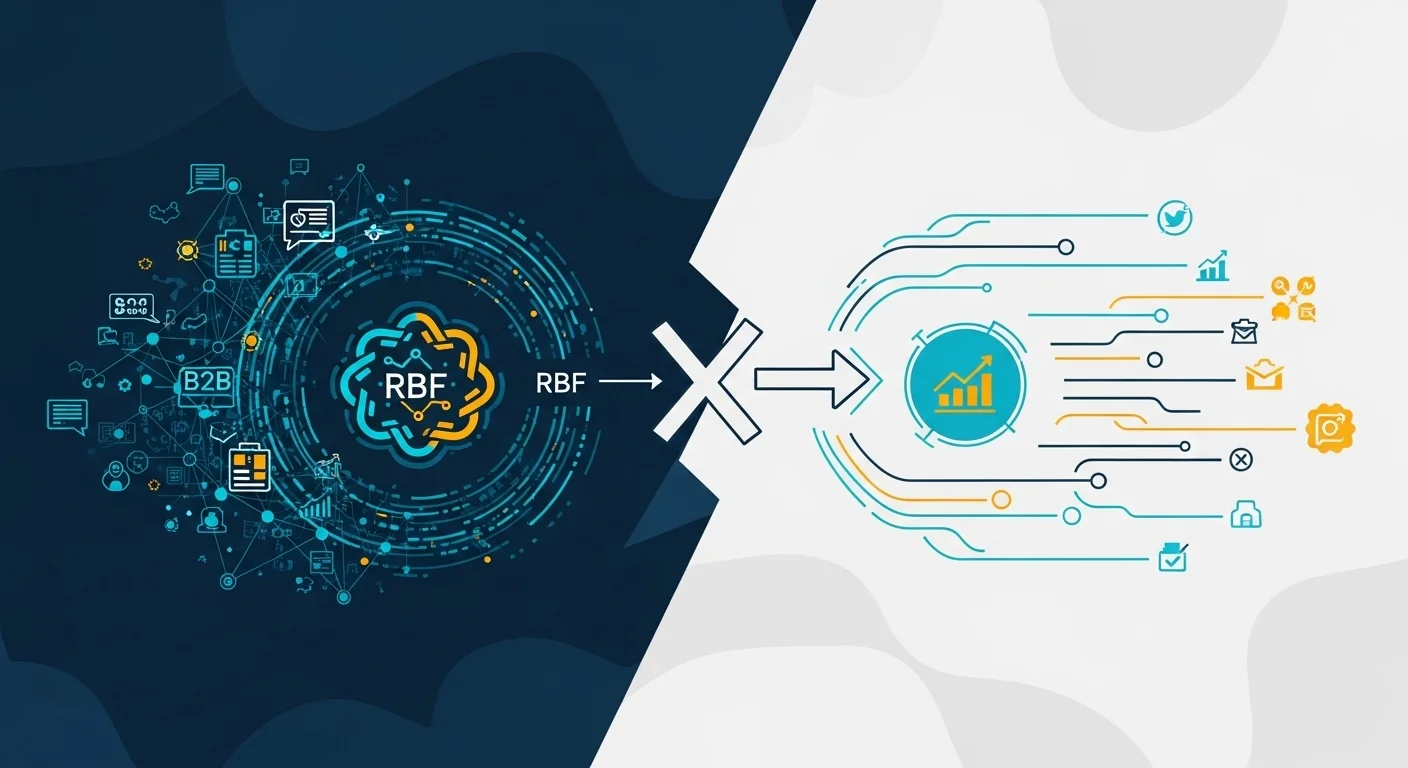
Why is B2B Embedded Finance the Next Frontier for Capital Deployment?
The shift from B2C to B2B financing is driven by the fundamental differences in market structure and risk profiles. The B2C market, dominated by discretionary consumer spending, is subject to immediate macroeconomic volatility. Conversely, the B2B SaaS market operates on the bedrock of predictable, recurring revenue streams (MRR and ARR). Capchase's entire financial mechanism is engineered to capitalize on this predictability.
Unlike traditional debt financing, which often demands rigid collateral and involves lengthy covenants, or traditional venture capital (VC), which demands a large equity dilution, Capchase's model is fundamentally non-dilutive and revenue-first. This structure appeals directly to high-growth SaaS companies that prioritize maintaining ownership and controlling their capital deployment strategy. The platform doesn't just approve loans; it creates a programmatic funding stream based on verifiable performance metrics. This allows the capital to be disbursed on a flexible, 'just-in-time' basis, minimizing risk and maximizing working capital efficiency for the clients it serves.
The Mechanics of Embedded Finance
The core innovation lies in "embedding" the financial service directly into the sales and operational workflow. For a modern enterprise, the friction point is often the speed of closing a deal. A traditional payment system acts as an after-the-fact accounting measure. An embedded finance solution, however, becomes a proactive component of the sales tool itself.
This process fundamentally changes the sales conversation. When a potential client is presented with an immediate, built-in financing solution, the sales cycle shortens dramatically. The financial barrier is mitigated at the point of sale. This is why the model is so powerful: it turns financing from an expense or a negotiation point into a seamless feature of the product or service offering.
Competitive Advantages in the Enterprise Landscape
The market leadership Capchase is establishing stems from several unique advantages that distinguish it from generic lending platforms:
- Specificity: It is built for the complex, high-value transactions typical of enterprise software and services, not simple consumer purchases.
- Risk Mitigation: By structuring financing around recurring revenue visibility, the risk profile is significantly more transparent and manageable for the lender, attracting capital more readily.
- Scale and Velocity: The ability to scale underwriting—moving from manual due diligence to sophisticated, automated risk modeling—allows it to service a vastly greater number of clients without a proportional increase in overhead.
Key Takeaways
- Revenue Visibility is Gold: The greatest asset is not the loan amount, but the guaranteed visibility into the client’s recurring revenue stream.
- Process is the Product: The technology stack that automates the lending decision and integration is arguably more valuable than the capital itself.
- Customer Experience Focus: Success is measured by how seamlessly the finance solution integrates into the client’s existing workflow.
The trajectory of Capchase signals a massive paradigm shift, solidifying the role of embedded finance as the default standard for enterprise transactions. By solving the perennial problem of financing friction at the exact moment the deal needs closing, the company is not just providing capital; it is becoming the indispensable operating system for the modern B2B sale.
(Self-Correction/Review: The flow moves logically from the general market trend to the specific company advantage. The tone is authoritative and analytical, suitable for a high-level industry report.)
Google Search Preference
Add Fintech Monster to your preferred sources
Never miss deep, analytical fintech insights. Prioritize our stories in your Google Search, Discover feed, and AI Overviews with one click.
About the Author
Fintech Monster
Fintech Monster is run by a solo editor with over 20 years of experience in the IT industry. A long-time tech blogger and active trader, the editor brings a combination of deep technical expertise and extended trading experience to analyze the latest fintech startups, market moves, and crypto trends.