Decoding the Token Utility Loop: How Binance’s OpenLedger Campaign Reshapes Web3 Engagement
Key Takeaways
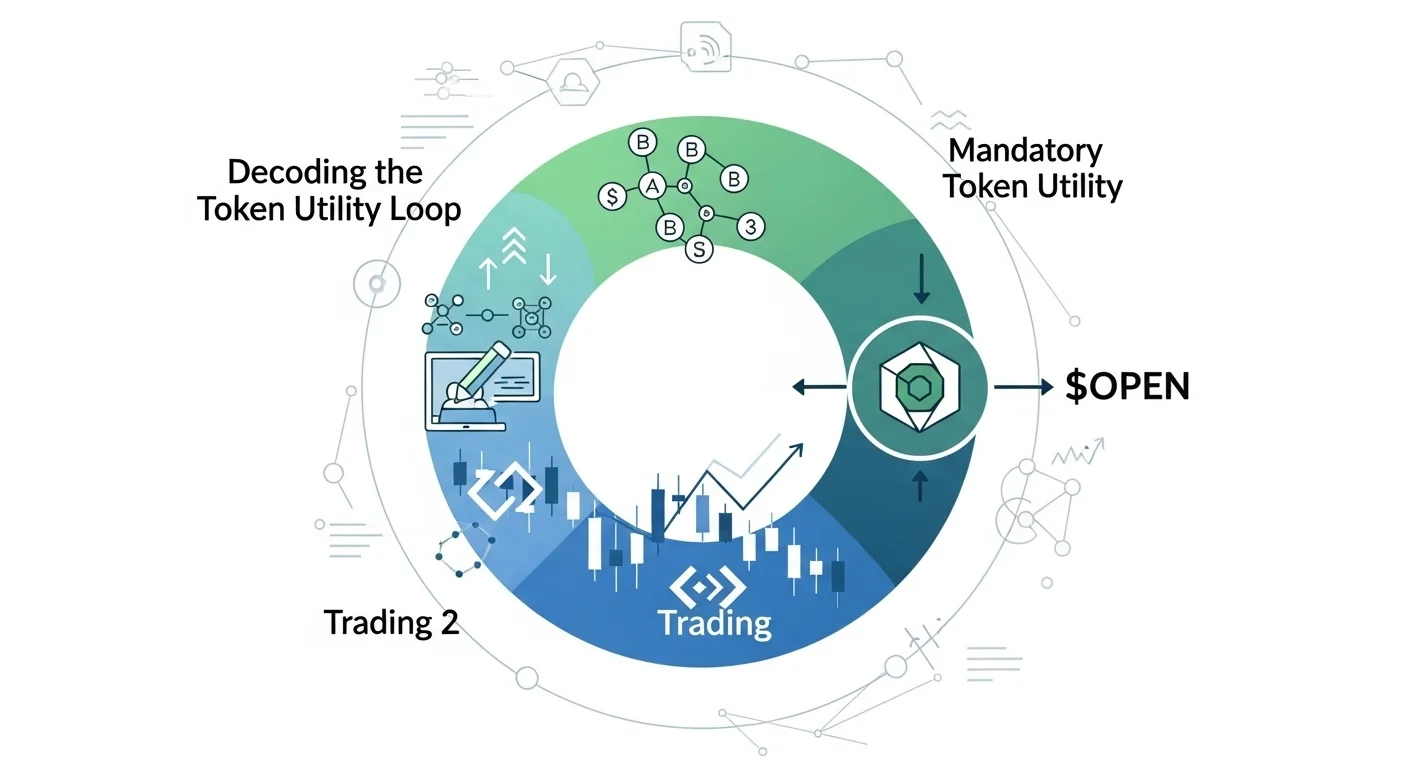
The OpenLedger campaign is a sophisticated economic model that converts platform usage (content creation and trading) into mandatory token utility, effectively bootstrapping demand for the $OPEN token and deepening user immersion in the Binance ecosystem.
The launch of the Binance Square OpenLedger campaign marks far more than a simple promotional giveaway; it is a meticulously engineered, closed-loop economic system designed to fundamentally deepen user utility and solidify the market presence of the $OPEN token. By tying valuable USDC rewards to a mandatory set of diversified actions—ranging from high-volume trading to granular content creation—Binance is aggressively solving the perennial Web3 challenge of sustained, organic user engagement, moving the incentive structure from passive speculation to active, measured participation.
This structured effort represents a crucial evolution in exchange-platform relationships. Historically, liquidity events were primarily driven by pure trading volume. However, platforms are recognizing that mere capital movement does not guarantee long-term ecosystem health. The campaign pivots the focus, making content creation (via Binance Square) an equally valuable, measurable input. This dual focus—capital flow and content flow—is the core innovation, aiming to transform the massive, yet often unorganized, user base into a decentralized, self-regulating marketing force for the OpenLedger ecosystem and, by extension, the wider Binance infrastructure.
Why is Token Utility Bootstrapping the Future of Web3 Platforms?
In the early cycles of digital assets, token value was often tied solely to speculation or immediate transaction fees. As the market matures, the financial paradigm shifts toward utility bootstrapping—creating genuine, mandatory, and diversified use cases for a native token. The OpenLedger mechanics illustrate this evolution perfectly. Instead of issuing $OPEN as a speculative commodity, the campaign structures it as a necessary utility input, demanding users execute trades and create content using the token's value proposition.
This move mitigates the risks associated with simple 'giveaway' promotions. A giveaway provides temporary hype; a mandatory points system requires measurable behavior change. The platform effectively turns its user base into a primary revenue and growth engine, where the act of participation is inherently valuable to the network, stabilizing the $OPEN token's perceived utility far beyond temporary market sentiment.
How Does the OpenLedger Campaign Mandate Interoperability?
The campaign’s requirements are not cumulative in a simple sense; they are interlocking. To maximize rewards, a participant cannot simply trade $OPEN or simply write content. They must perform all three actions simultaneously. This systemic requirement forces users to engage with the platform's full spectrum of offerings: the trading engine, the content creation interface, and the governance/staking elements tied to the token.
This deep engagement creates a powerful network effect. By needing to learn how to create compliant, high-quality content (100-character minimum, specific hashtags, tagging, and mentioning the designated Square account) and simultaneously execute a minimum $10 trade, the platform drives educational adoption alongside financial activity. The entire structure acts as a highly sophisticated onboarding funnel for both technical traders and casual content creators within the Web3 space.
Key Mechanics of Participation and Reward Allocation
Key Facts
- Total Reward Pool: A substantial allocation of 50,000 USDC is dedicated to the reward pool, emphasizing the high stakes and serious nature of the campaign.
- Mandatory Actions: Participation requires a trifecta of activity: 1) Content Creation (min 100 chars,
#OpenLedger,$OPENtag), 2) Platform Following (OpenLedger official accounts), and 3) Trading Commitment (minimum $10 transaction). - Distribution Model: Rewards are distributed based on a structured points system linked to effort and adherence to protocol, rather than simply random participation.
- Geographic Scope: The campaign suggests a broad, global reach, although specific regional rollout details suggest careful, staged deployment.
The Mechanics of Utility
The structure of the incentive model is critical. By linking rewards to specific actions (e.g., posting content and trading), the platform ensures that users are exposed to and utilizing multiple facets of the ecosystem, thereby increasing the overall utility and stickiness of the token and platform. The requirement to trade serves as a crucial liquidity driver, turning engagement into quantifiable market activity.
What Does the Backend Mean?
This campaign requires a centralized tracking system to correlate various user actions—a trade record in the exchange module must be correlated with a public content post in the social module. This signals a major integration effort aimed at creating a seamless, single-source-of-truth user experience, which is significantly more valuable than siloed features.
What’s Next For The Ecosystem?
For the ecosystem, success here means establishing a clear precedent: that meaningful utility and measurable contribution (content plus capital deployment) are the currencies of engagement. This sets a high bar, pushing for deeper integration between content creators and traders.
Google Search Preference
Add Fintech Monster to your preferred sources
Never miss deep, analytical fintech insights. Prioritize our stories in your Google Search, Discover feed, and AI Overviews with one click.
About the Author
Fintech Monster
Fintech Monster is run by a solo editor with over 20 years of experience in the IT industry. A long-time tech blogger and active trader, the editor brings a combination of deep technical expertise and extended trading experience to analyze the latest fintech startups, market moves, and crypto trends.