Fortifying European Sovereignty: The Strategic Impact of the €1 Billion Slovak Cleantech Initiative
Key Takeaways
The European Commission has approved a €1 billion state aid package for Slovakia to bolster "cleantech" manufacturing and secure critical supply chains within the EU's Green Deal Industrial Plan.
The European Commission’s recent approval of a €1 billion state aid scheme for Slovakia is a major step in the European Union’s strategy to fortify its industrial independence against global competition. By earmarking these funds specifically for "cleantech" manufacturing—encompassing everything from advanced storage systems to green hydrogen infrastructure—the EU is signaling a shift toward aggressive industrial protectionism and regional revitalization. This is a calculated move to protect the European economy from supply chain issues while speeding up the shift to carbon-neutral energy.
To understand the weight of this decision, look at the broader context of the "Green Deal Industrial Plan." For years, Europe has grappled with its heavy reliance on non-EU entities for critical minerals and finished green technology components. Slovakia was selected as a primary hub because it bridges the gap between a rich industrial heritage and the modern need for high-tech manufacturing centers. By integrating this €1 billion injection into the existing industrial framework, the EU aims to create a self-sustaining ecosystem where local manufacturing can meet both domestic demand and broader continental goals of energy security and climate resilience.
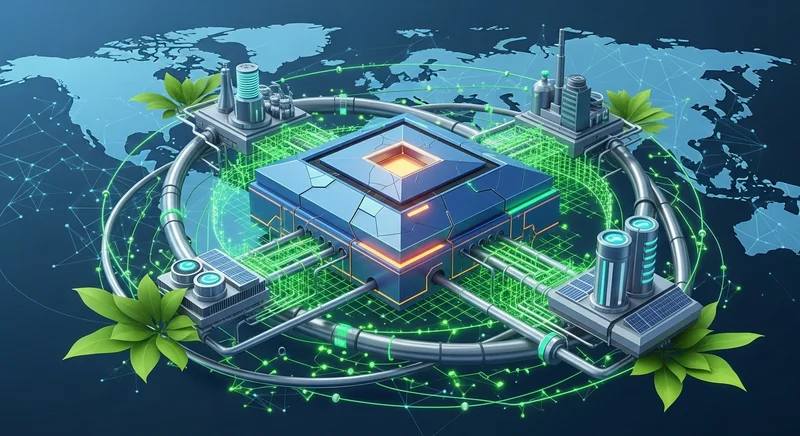
Why is the European Union prioritizing "Technological Sovereignty" right now?
The core driver of this massive investment is "technological sovereignty." In recent years, the geopolitical landscape has exposed the vulnerabilities inherent in long-distance supply chains for critical minerals and specialized manufacturing components. When a single region dominates the production of solar panels or battery components, the entire European economy becomes susceptible to trade fluctuations and geopolitical tensions. By establishing a massive manufacturing hub in Slovakia, the EU is attempting to build a "moat" around its industrial base. This initiative ensures that as Europe moves toward hydrogen-based energy and advanced lithium-ion storage, it does not remain dependent on foreign entities for the essential components of that infrastructure.
About the Author
Fintech Monster
Fintech Monster is run by a solo editor with over 20 years of experience in the IT industry. A long-time tech blogger and active trader, the editor brings a combination of deep technical expertise and extended trading experience to analyze the latest fintech startups, market moves, and crypto trends.