From Artisanal Counter to Digital Grid: How Magnolia Soap Bath Co. Is Engineering Scale with Square
Key Takeaways
By adopting Square's unified commerce platform, Magnolia Soap & Bath Co. is centralizing operational control across its 50+ franchise locations, ensuring standardization from POS transactions to e-commerce fulfillment.
In an era where the lines between physical retail, e-commerce, and pure digital interaction are virtually indistinguishable, the technological backbone of a brand is often its most critical asset. Magnolia Soap & Bath Co., a flourishing clean beauty and bath products franchise, has executed a major strategic shift by partnering with Square. This partnership goes far beyond simple payment acceptance; it signifies a deep operational re-engineering of the entire business model, transforming a network of localized, handcrafted goods stores into a single, digitally unified commerce entity. For any multi-unit, physical retail chain, mastering this transition from disparate local systems to a centralized, scalable digital grid is the defining challenge of modern growth.
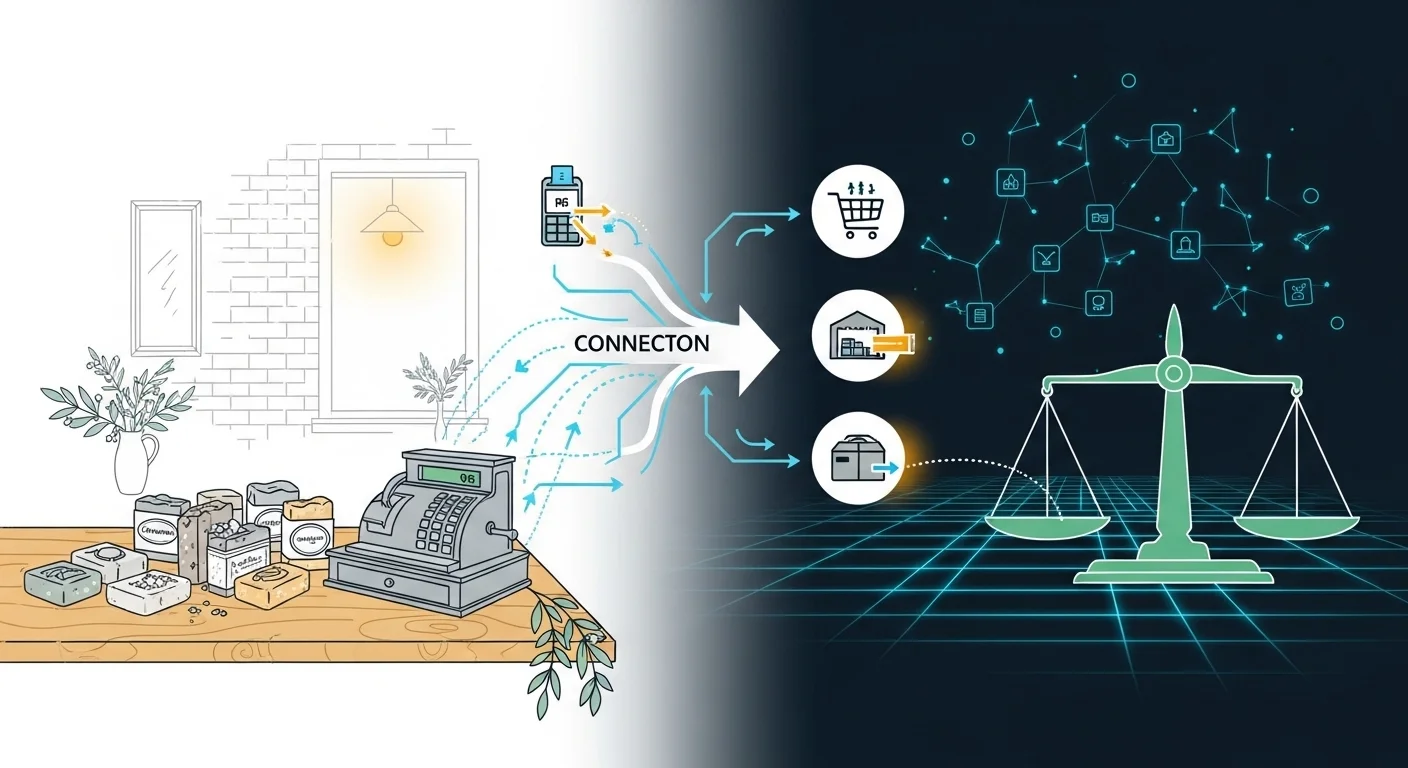
Operating as a franchise that spans across a vast geographical footprint, reportedly covering 17 states and managing over 50 individual locations, presents inherent scaling difficulties. Each store traditionally manages its own local staff, unique inventory flow, and localized point-of-sale (POS) system. Historically, coordinating these siloed operations—from accounting reconciliation to real-time inventory matching—was a massive administrative overhead. By adopting a sophisticated platform like Square, Magnolia is effectively adopting a standardized operational OS, ensuring that the premium, artisanal customer experience remains consistent whether a customer is making an impulse purchase in a physical store, browsing the brand's online catalog, or utilizing a digital loyalty program. This strategic move emphasizes that operational efficiency and brand consistency are now synonymous with powerful, centralized software architecture.
Why is Adopting a Unified Commerce Platform Non-Negotiable for Modern Franchises?
The move to a unified commerce (UC) platform is symptomatic of a broader paradigm shift in B2B technology adoption, particularly for specialized, non-tech industries like artisanal goods. For a franchise model, the biggest risk is variance. Every franchisee has unique local operational habits, staffing levels, and inventory management practices, which can dilute the brand's core promise. A dedicated, integrated platform mitigates this risk by enforcing standardization. It turns the challenge of managing dozens of independent business units into the streamlined process of managing a single, interconnected ecosystem.
Understanding the Technology Behind the Consistency
The true value proposition of this partnership lies in the system's ability to treat the physical store and the virtual storefront as separate channels but a single point of truth for inventory and sales data. The POS system, in this context, is not just a cash register interface; it is a data ingestion point. When a customer makes a purchase in-store, the transaction simultaneously updates the centralized inventory database, records detailed sales metrics (down to the SKU and time of day), and attributes the sale to the correct franchise unit, all in real-time.
This level of data granularity is crucial for strategic decision-making. Rather than simply knowing "we sold 50 units of Lavender Soap," Magnolia can now identify patterns such as: "Lavender Soap sales spike 30% when paired with exfoliating scrub sets between 4 PM and 6 PM in the Northeast region." Such detailed, data-driven insights allow corporate management to optimize everything from local staffing schedules to regional inventory stocking levels, thus significantly boosting overall profitability across the entire 17-state network.
How Does Unified Commerce Solve the Multi-Location Headache?
For the franchisee, the system dramatically reduces complexity and managerial friction. The platform provides a centralized dashboard that handles several high-touch operational tasks previously requiring dedicated, specialized software or manual accounting work.
Streamlining Operations: From POS to Workforce Management
The management of human capital (staffing) is often the most volatile and expensive aspect of retail. Manual scheduling leads to understaffing on busy days or overstaffing during lulls. By integrating staff management directly into the platform, Magnolia can utilize real-time sales data to inform optimal staffing models. This predictive capability ensures that the store has the right number of employees with the right skills exactly when peak transaction volume is expected.
Furthermore, the POS system standardizes complex financial processes. Whether the transaction involves gift cards, store credit, mixed payment types, or a coupon code, the platform executes standardized processing. This ensures that every single transaction, regardless of the physical point of sale, contributes clean, actionable data to the corporate ledger, massively simplifying end-of-day reconciliation for the corporate headquarters and the local owner.
Key Functional Pillars of the Partnership
The scope of the integration is vast, covering more than just basic point-of-sale capabilities. The technology infrastructure handles crucial back-end processes that were previously manual or prone to error. This includes centralized inventory management, loyalty program tracking, and reporting.
Key functional areas include:
- Inventory Management: Real-time visibility into stock levels across all physical locations.
- Customer Loyalty: Centralized collection and tracking of customer purchase history across all branches.
- Reporting & Analytics: Automated generation of performance reports, identifying best-performing products or underutilized store locations.
Conclusion: The Value of Centralization
The core value proposition here is centralization. By moving away from localized, siloed operational systems, Magnolia is effectively building a single, unified digital nervous system for the entire brand. This transformation moves the franchise model from one of decentralized management to one of optimized, data-driven scale. This level of integration is not merely a technological upgrade; it is a fundamental restructuring of the business model, enabling aggressive, scalable growth while ensuring brand consistency across a vast geographical footprint.
Google Search Preference
Add Fintech Monster to your preferred sources
Never miss deep, analytical fintech insights. Prioritize our stories in your Google Search, Discover feed, and AI Overviews with one click.
About the Author
Fintech Monster
Fintech Monster is run by a solo editor with over 20 years of experience in the IT industry. A long-time tech blogger and active trader, the editor brings a combination of deep technical expertise and extended trading experience to analyze the latest fintech startups, market moves, and crypto trends.