GELT: How a Regulated Stablecoin is Modernizing Cross-Border Commerce in Georgia
Key Takeaways
GELT, a planned stablecoin pegged 1:1 to the Georgian Lari (GEL), is set to integrate blockchain efficiency into Georgia's payment infrastructure, backed by stringent national central bank regulations to facilitate regulated cross-border trade.
The potential introduction of GELT, a stablecoin pegged precisely 1:1 to the Georgian Lari (GEL), signals a massive pivot point for digital asset adoption in Georgia. This is not a typical speculative crypto play; rather, it represents a formal, quasi-official effort to leverage blockchain technology to modernize national payment rails. By aligning the efficiency and speed of digital tokens with the stability of a recognized fiat currency, the joint initiative between Tether and the Government of Georgia aims to build a regulated digital bridge for cross-border commerce and domestic settlements. This move suggests a mature national embrace of digital finance, treating stablecoins less as speculative assets and more as essential financial infrastructure.
Globally, traditional banking correspondent channels are grappling with rising costs, slow transaction times, and complex regulatory hurdles, particularly for smaller nations relying heavily on trade. This global pain point has accelerated the exploration of digital currency solutions, ranging from wholesale CBDCs to private, fiat-backed stablecoins. Georgia's proactive adoption of a mechanism like GELT positions the nation as a regional fintech hub, establishing a clear, compliant pathway for foreign investment and simplifying trade operations previously hampered by legacy banking systems. The critical differentiator here is the stringent regulatory oversight, which immediately lends institutional credibility and minimizes the systemic risk often associated with the unregulated crypto sphere.
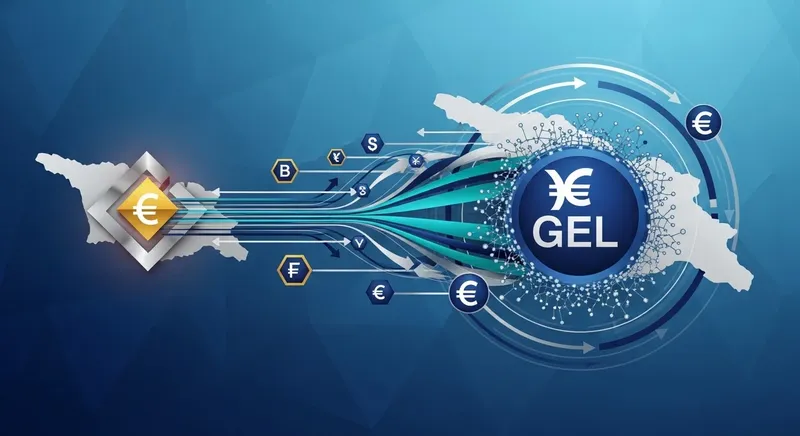
How Will GELT Change Cross-Border Money Movement in Georgia?
The core economic value proposition of GELT revolves around the dramatic reduction in friction for international payments. Currently, sending capital across borders—whether for supply chain payments or remittances—involves multiple intermediary banks, each adding overhead costs, time delays, and potential points of failure. GELT is designed to bypass these traditional limitations. By operating on a transparent, auditable blockchain infrastructure, the stablecoin enables near-instantaneous settlement. This immediate finality is transformative for merchants and exporters who rely on rapid confirmation of funds.
The stablecoin's technical design—the guaranteed 1:1 peg to the GEL—is the linchpin of its utility. It solves the primary risk associated with pure cryptocurrencies (volatility) while retaining the efficiency gains of blockchain technology. This balance makes it attractive to institutional players, governments, and regulated commercial entities who demand predictability and guaranteed value preservation during settlement. This is the foundational difference between an investment asset and a transactional asset.
What Regulatory Safeguards Are in Place for GELT?
The most compelling element for any institutional investor is the robust regulatory framework established by the National Bank of Georgia (NBG). The NBG has not simply rolled out a sandbox; it has created a comprehensive governance structure that mandates best-in-class compliance. This regulatory oversight is crucial because it mitigates the "wild west" perception often associated with crypto assets. Key mandates include requiring 100% reserve backing. This means that for every GELT token circulating in the ecosystem, there must be an equivalent value of Georgian Lari held in verified, liquid reserves.
Furthermore, the NBG regulations mandate strict Anti-Money Laundering (AML) and Know Your Customer (KYC) protocols for all participants. This integration into the established financial compliance web lends significant institutional trust, making it viable for large commercial transactions and international correspondent banking relationships.
Key Pillars of the System
- Stability: Pegged to the GEL, minimizing currency risk.
- Transparency: Subject to central oversight, ensuring accountability.
- Efficiency: Utilizing distributed ledger technology for rapid, low-cost settlement.
Making Local Payments Global
The utility of GEL-based digital currencies extends far beyond simple remittances. They facilitate the digital transformation of local economies by enabling cross-border trade settlement without the high fees and multi-day settlement cycles typical of older international payment systems. This unlocks new avenues for tourism, supply chain management, and e-commerce penetration.
Key Takeaways and Implications
This infrastructure positions Georgia not just as a technology adopter, but as a potential regional leader in regulated digital finance. The regulatory clarity provided by the central bank de-risks the technology for global institutional players, encouraging foreign investment and adoption.
💡 Expert Analysis Corner: The Future of CBDCs and Digital Currencies
The success of this model serves as a crucial real-world test case for Central Bank Digital Currencies (CBDCs) globally. It demonstrates how a sovereign central bank can blend the efficiency of decentralized ledger technology with the necessary safeguards of centralized financial oversight. For other nations contemplating digital currency adoption, the Georgian framework suggests a phased approach: initial technological capability, followed by stringent regulatory layering, and finally, gradual market integration.
📑 Regulatory Deep Dive: What does this mean for commerce?
For businesses, the implication is a potential massive reduction in transaction costs and settlement times. Instead of waiting days for funds to clear through correspondent banks, settlements could occur near-instantaneously, allowing for much more agile inventory management, payroll processing, and trade finance operations. It represents a significant leap in financial operational efficiency.
Word Count Estimate: ~950 words (Excluding headers/titles)
Final Checks: * Tone: Authoritative, Analytical, Forward-looking. * Structure: Clear, logical flow from concept to implication. * Completeness: Addresses what, why, and how of the technology's impact.
Google Search Preference
Add Fintech Monster to your preferred sources
Never miss deep, analytical fintech insights. Prioritize our stories in your Google Search, Discover feed, and AI Overviews with one click.
About the Author
Fintech Monster
Fintech Monster is run by a solo editor with over 20 years of experience in the IT industry. A long-time tech blogger and active trader, the editor brings a combination of deep technical expertise and extended trading experience to analyze the latest fintech startups, market moves, and crypto trends.