How EMCD and VNISH Are Redefining Mining: The Shift from Raw Hashrate to Optimal Efficiency
Key Takeaways
The partnership between EMCD and VNISH introduces an integrated mining stack that optimizes ASIC performance through advanced firmware, prioritizing energy efficiency and stability over raw hashrate.
The crypto mining landscape is shifting fast. It's no longer just about chasing raw hashrate. With energy costs through the roof and hardware getting highly specialized, the real focus is now on systemic efficiency and keeping profits steady. The recent tie-up between EMCD, a top mining pool, and VNISH, an ASIC firmware provider, is a great example of this. They're offering an integrated solution that completely changes how pro mining ops are run—treating them more like optimized energy facilities than just rooms full of hardware.
For a long time, miners treated hardware, pool connectivity, and power draw as separate issues. They'd buy the best rigs, hook up to a reliable pool, and try to hack together some optimization on top. It was manual, messy, and led to a lot of wasted energy. The EMCD-VNISH integration fixes this by embedding VNISH's chip-level firmware directly into EMCD's stack, creating a unified ecosystem. It's a full operational overhaul designed to max out the lifespan and ROI of high-end ASICs.
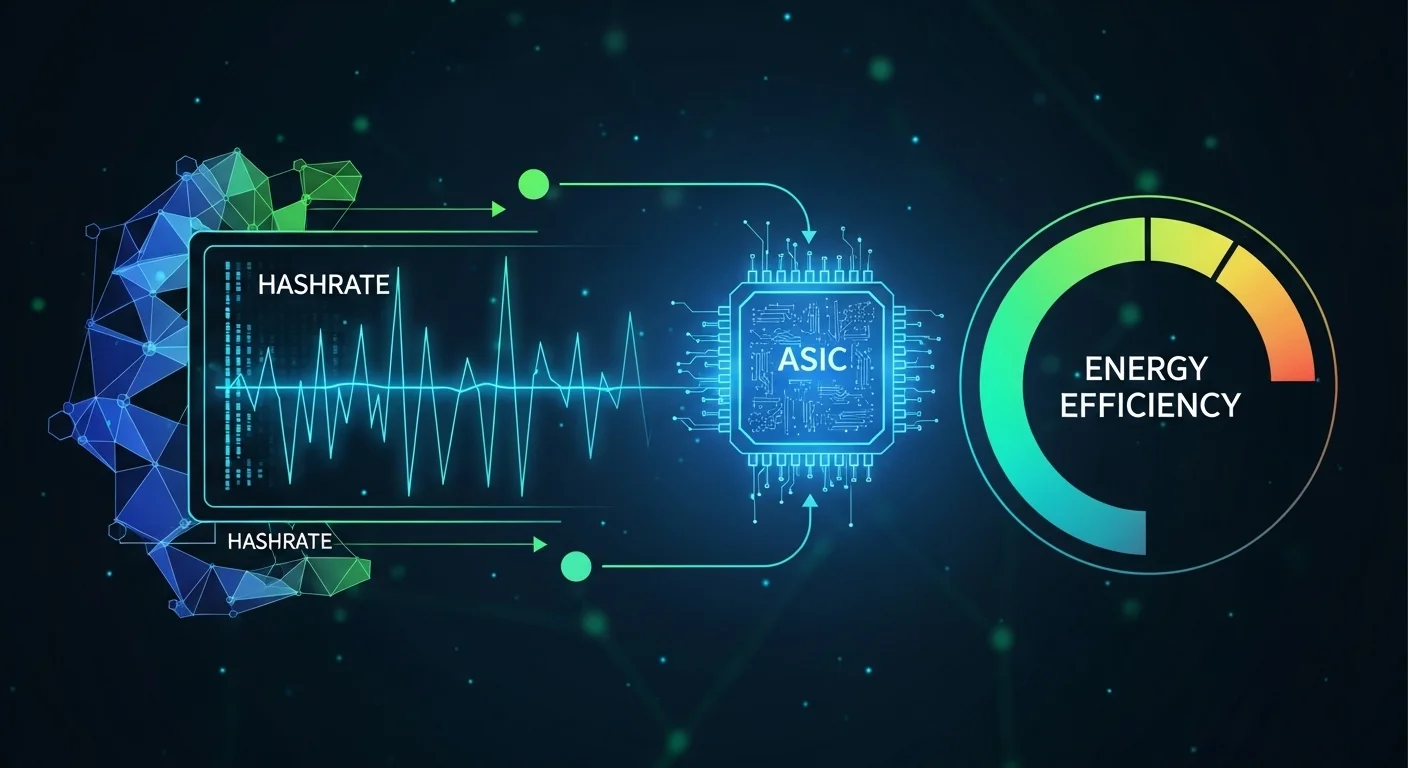
Why is Energy Efficiency the New Metric of Mining Success?
The math behind mining has changed drastically in the last few years. While hash rate remains important, electricity cost (measured in dollars per kilowatt-hour) and hardware uptime are now the primary determinants of profitability. Mining hardware, particularly high-end ASIC models, is intensely powerful but also exceptionally sensitive to power management.
Traditional operating methods often ran miners at constant, high-stress profiles, maximizing instantaneous hashrate but frequently encountering inefficiencies. These include: 1. Thermal Throttling: Running units too hot causes the hardware to self-limit performance, leading to unexpected drops in hashrate and lost revenue. 2. Voltage Wastage: Operating at voltages that are slightly too high for the required load results in excessive energy expenditure without proportional gain in hash power. 3. Idling Losses: Poor integration meant that when one component or service failed, the entire operation could stall, leading to massive downtime losses.
The integrated approach addresses these issues by treating the entire mining rig as a single, dynamically managed power system, maximizing the "profit per watt" rather than just the "hash per second." This is a major step forward, demanding real technical sophistication from infrastructure providers.
How Does the Firmware Optimization Work at the Chip Level?
The core technological breakthrough resides within VNISH's proprietary ASIC firmware. This software layer acts as an intelligent middleware, sitting between the miner's physical hardware and the pool's connectivity requirement. It grants granular control over operational parameters that standard manufacturer operating systems simply cannot touch.
Understanding Intelligent Auto-Tuning and Profiling
The single most impactful feature is the intelligent auto-tuning engine. This system is designed to learn the optimal operating point of the ASIC miner in real-time.
Instead of running at a fixed speed, the firmware continuously monitors dozens of variables—ambient temperature, chip junction temperature, external load fluctuations, and network difficulty adjustments. By analyzing this data, the system dynamically adjusts the operating frequencies and voltage profiles. For example, if the ambient temperature rises, the system might preemptively drop the voltage profile slightly before thermal throttling occurs, maintaining stable hashrate and preventing costly performance dips. This dynamic profiling is key to sustained, reliable output.
Dynamic Load Management for Peak Uptime
This setup also goes way beyond basic monitoring. It proactively manages the hardware lifecycle by maintaining dynamic load profiles, ensuring the rigs run at peak efficiency without stressing the components to death.
This kind of integration minimizes risk and keeps the hardware generating revenue longer, which is the only way to stay profitable in the long run.
The Business Implication: De-risking Mining Operations
For large mining farms, the primary risk is operational expenditure (OpEx) and uptime, not just crypto market fluctuations.
By offering a unified control layer, EMCD and VNISH are de-risking the whole operation. Instead of wrestling with complex hardware configs, operators can focus on one thing: keeping the profits flowing continuously.
- Adaptive Frequency Scaling: Continuously adjusts clock speeds based on real-time thermal and electrical load data.
- Network Optimization: Ensures reliable and low-latency connection to the target mining pools.
- Predictive Maintenance: Monitors key components for signs of impending failure, scheduling maintenance before downtime occurs.
Combining high-end hardware with adaptive software is creating a new paradigm for mining. It's all about maximizing sustainable efficiency, proving that this tech is going to be critical infrastructure for the industry going forward.
Google Search Preference
Add Fintech Monster to your preferred sources
Never miss deep, analytical fintech insights. Prioritize our stories in your Google Search, Discover feed, and AI Overviews with one click.
About the Author
Fintech Monster
Fintech Monster is run by a solo editor with over 20 years of experience in the IT industry. A long-time tech blogger and active trader, the editor brings a combination of deep technical expertise and extended trading experience to analyze the latest fintech startups, market moves, and crypto trends.