Moonbeam’s Strategic Pivot: Transitioning to an AI-First Infrastructure on Base
Key Takeaways
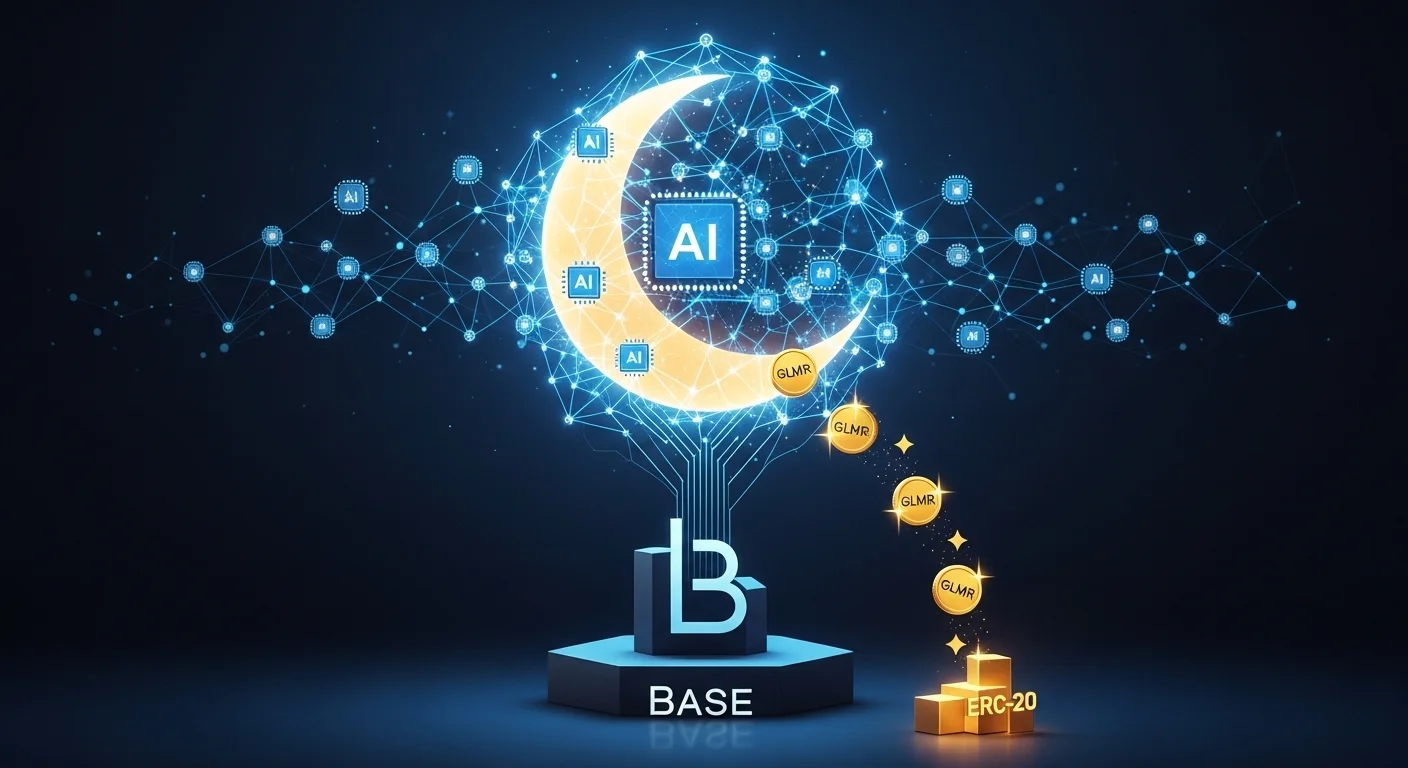
Moonbeam is pivoting from a Polkadot parachain to a specialized infrastructure for decentralized AI agent communication, migrating GLMR to the Base network as a native ERC-20 token.
The decentralized landscape is witnessing a massive architectural shift as projects move away from general-purpose blockchain utility toward highly specialized "middleware" layers designed for emerging technologies. At the forefront of this evolution is Moonbeam, which has announced a foundational transformation in its ecosystem's identity and technical purpose. By moving away from its primary role as a Polkadot parachain, Moonbeam is repositioning itself as a dedicated infrastructure layer specifically engineered for decentralized AI agent communication and settlement. This transition marks a significant moment in the convergence of artificial intelligence and blockchain technology, prioritizing the specific needs of automated entities over general-purpose decentralization.
This pivot is not merely an internal rebranding; it involves a massive technical migration to facilitate an "on-chain economy" where autonomous agents can interact, communicate, and settle transactions without human intervention. To achieve this, Moonbeam is migrating its core asset, the GLMR token, from its current environment to the Base network as a native ERC-20 token. This move seeks to tap into the high-performance capabilities of Base, specifically targeting the low latency and low transaction costs required for high-frequency interactions between AI models. By aligning with Ethereum Layer 2 standards, Moonbeam aims to provide a seamless bridge for developers looking to build complex multi-agent workflows where settlement occurs automatically via smart contract interactions.
Why is the move to Base critical for AI integration?
The decision to migrate to Base as a primary home for the new Moonbeam protocol is driven by the distinct technical requirements of autonomous agents. Unlike human users, who can tolerate slight delays in transaction confirmation or may manually handle errors, AI agents operating at scale require near-instantaneous execution and predictable costs. In high-frequency environments—such as automated trading bots or collaborative AI service providers—high gas fees on Layer 1 networks are not just inconvenient; they are economically prohibitive.
By moving to Base, Moonbeam leverages a high-performance Layer 2 environment that offers the necessary infrastructure for low-latency transactions. This allows for the creation of an ecosystem where different AI models can "talk" to one another by utilizing standardized smart contract calls. Instead of being a general-purpose parachain, the new focus is on becoming a specialized settlement layer. In this capacity, Moonbeam provides the plumbing that allows automated systems to negotiate contracts and exchange value in a trustless environment.
What happens to GLMR tokens during the migration?
For stakeholders holding the GLMR token, the transition is designed to be seamless and structurally sound. The core of the strategy is the transformation of GLMR into a native ERC-20 token on the Base network. This conversion is vital for interoperability; as an ERC-20 token, GLMR can be integrated directly with the vast array of tools, decentralized finance (dApps), and wallets that dominate the Ethereum ecosystem.
The migration follows a strictly defined 1:1 ratio, ensuring that no value is lost or diluted during the cross-chain movement. Furthermore, Moonbeam has implemented strategic safeguards for retail and institutional investors. Specifically, holders who keep their GLMR on centralized exchanges (CEX) do not need to take any manual action. The migration will be handled at the exchange level, preserving liquidity and simplifying the user experience during this high-stakes transition period.
A structured timeline for a new era
The shift towards an AI-centric infrastructure is not happening overnight; it is a measured rollout designed to ensure network stability. While the cross-chain migration process for GLMR is already open, Moonbeam has established a generous deadline of July 31, 2026. This window provides a necessary grace period for developers and users to migrate their assets and adapt to the new infrastructure.
This extended timeline highlights the scale of the ambition behind the project. By positioning itself as "middleware" for AI, Moonbeam is targeting a niche that will likely become a cornerstone of the next cycle in blockchain technology: the automation of economic activities by non-human actors. The transition signals a shift toward purpose-built layers, where the goal is not just to provide a decentralized network, but to solve specific bottlenecks in the adoption of AI on-chain.
Key Facts
- Moonbeam is transitioning from its identity as a Polkadot parachain to an infrastructure for decentralized AI agent communication and settlement.
- The GLMR token will migrate to the Base network as a native ERC-20 token at a 1:1 ratio.
- The cross-chain migration process for GLMR is currently active, with a final deadline set for July 31, 2026.
- Holders of GLMR on centralized exchanges (CEX) do not need to take manual action; the migration will be handled automatically at the exchange level.
- Base was chosen specifically to provide the low latency and low transaction costs required for high-frequency AI agent interactions.
- The new Moonbeam protocol is designed to support an "on-chain economy" where autonomous agents can settle payments and negotiate contracts autonomously.
Expert Commentary
From a market perspective, Moonbeam's move signals a significant shift in how we value "layer" projects. We are moving away from the era of general-purpose utility—where every chain tried to be everything for everyone—and into an era of specialization. By positioning itself as a settlement layer for AI agents, Moonbeam is betting on the next major wave of demand: automated economies.
The choice of Base is particularly telling. It indicates that developers want ease of entry and EVM compatibility over experimental parachain-specific features. The 1:1 migration ensures they retain their current community while effectively "re-tooling" the engine under the hood to support high-frequency machine interactions. For traders and investors, this transition means Moonbeam is attempting to capture a massive piece of the AI ecosystem by becoming the essential infrastructure for non-human economic activity. This move from "general purpose" to "specialized middleware" is likely a blueprint for other projects seeking longevity in an increasingly crowded market.
Google Search Preference
Add Fintech Monster to your preferred sources
Never miss deep, analytical fintech insights. Prioritize our stories in your Google Search, Discover feed, and AI Overviews with one click.
About the Author
Fintech Monster
Fintech Monster is run by a solo editor with over 20 years of experience in the IT industry. A long-time tech blogger and active trader, the editor brings a combination of deep technical expertise and extended trading experience to analyze the latest fintech startups, market moves, and crypto trends.