Sequence SA's FINMA Fintech License: Decoding Switzerland's Regulatory Moat in Digital Finance
Key Takeaways
Securing a FINMA Fintech license validates Sequence SA's operational model against Switzerland's stringent financial laws, positioning it as a highly credible, stable, and institutionally vetted player in the global digital finance landscape.
Sequence SA just secured a specialized Fintech license from the Swiss Financial Market Supervisory Authority (FINMA), and it represents significant validation of their setup and a sign that the Swiss digital asset ecosystem is maturing. In an industry where regulatory gray areas often keep institutional money on the sidelines, this approval fundamentally de-risks what Sequence SA is doing. Getting the FINMA nod proves they're highly regulated and compliant, giving them a serious competitive edge that signals stability and transparency.
The process involved significant hurdles. Operating in Switzerland means navigating some incredibly complex financial laws. This wasn't just a simple paperwork filing; it required deep legal compliance and expert guidance to ensure their tech aligned with both traditional banking rules and new digital asset frameworks. It shows that Switzerland is deliberately carving out a space where fintech innovation thrives—but only if it can survive rigorous oversight. They aren't willing to trade consumer protection or systemic integrity for speed.
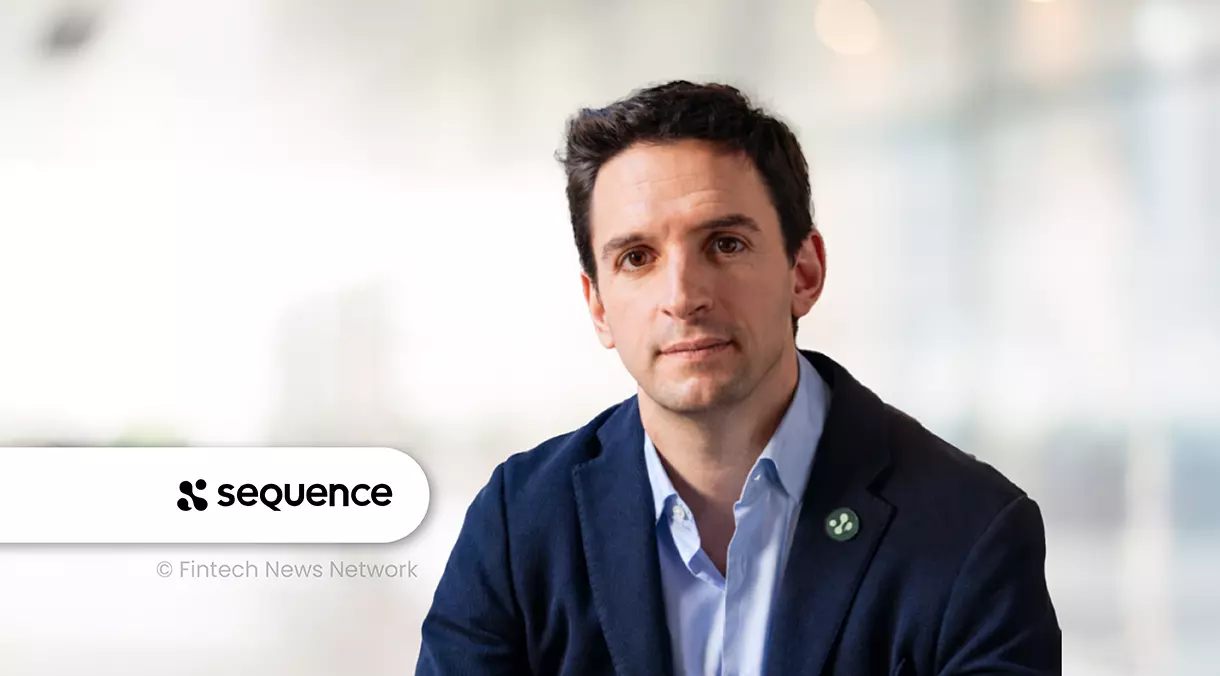
The FINMA license as a "regulatory moat"
For fintech companies moving fast in unregulated spaces, a FINMA license is the ultimate barrier to entry—a real "regulatory moat." This moat is often more valuable than a proprietary algorithm or a massive marketing budget. It tells institutional partners and custodians that your operations are audited and legally tight. For investors, it completely shifts the risk calculation: you stop worrying about if a company will survive a crackdown and start focusing on how fast they can scale.
The scope of this license is broad. It allows Sequence SA to handle payment processing, fund transfers, and digital asset custody, all under continuous Swiss oversight. This means the company had to build out top-tier Know-Your-Customer (KYC) and Anti-Money Laundering (AML) systems. These aren't just best practices in Switzerland; they are non-negotiable laws, making the whole regulatory process deeply technical.
Navigating Swiss Financial Law
The process of getting this license highlights the rigor Swiss authorities demand. Unlike some places that hand out 'sandbox' or provisional licenses, FINMA expects you to be fully compliant from day one. That means bringing specialized legal experts—specifically in cross-border Swiss financial law—right into the core of your corporate governance.
This isn't a superficial compliance check. It shapes everything from board structure to how the tech actually processes transactions. You have to prove immutability, traceability, and accountability for every digital move you make. For a digital asset company, you need systems tough enough to survive audits from global regulators. It positions the company as a critical infrastructure utility, not just another fintech app.
The financial implications of Swiss credibility
Markets react strongly to regulatory certainty. When the rules are fuzzy, capital stays on the sidelines. But when the rules are clear and a company follows them, institutional money tends to flow, often bringing higher valuations and big partnerships. Sequence SA is clearly benefiting from the "Swiss brand," which is globally recognized for financial stability.
This validation is also a launchpad for international expansion. If Sequence SA wants to move into markets in the EU or Asia that respect Swiss standards, this compliance framework acts as a massive trust anchor. It cuts down the time and friction for future approvals.
The license proves the company didn't just build a piece of software; they built a compliant financial institution. With the regulatory hurdle cleared, they can stop proving their legitimacy and focus on growing the business.
Google Search Preference
Add Fintech Monster to your preferred sources
Never miss deep, analytical fintech insights. Prioritize our stories in your Google Search, Discover feed, and AI Overviews with one click.
About the Author
Fintech Monster
Fintech Monster is run by a solo editor with over 20 years of experience in the IT industry. A long-time tech blogger and active trader, the editor brings a combination of deep technical expertise and extended trading experience to analyze the latest fintech startups, market moves, and crypto trends.