FINTECH.MONSTER
Startups /

Taurus Secures MiFID II License: De-risking the Future of Tokenized Assets in the EU

Key Takeaways

Taurus' acquisition of the MiFID II investment firm license fundamentally de-risks tokenized asset issuance and trading in the EU, positioning the firm as a fully regulated conduit between traditional finance (TradFi) and digital assets.

The successful acquisition of the MiFID II investment firm license by Taurus SA's Cyprus-based subsidiary, Taurus (Europe) Ltd, marks a profound regulatory inflection point, fundamentally transforming the operational landscape for tokenized assets across the European Union. This is not merely a corporate milestone; it represents the definitive legal validation that the complex infrastructure of digital asset tokenization can operate within the most stringent and time-tested frameworks of global finance. By achieving this status, Taurus (Europe) Ltd positions itself as a critical, fully compliant gateway, enabling major global financial institutions and institutional asset managers to engage with tokenized securities with an unprecedented level of regulatory certainty.

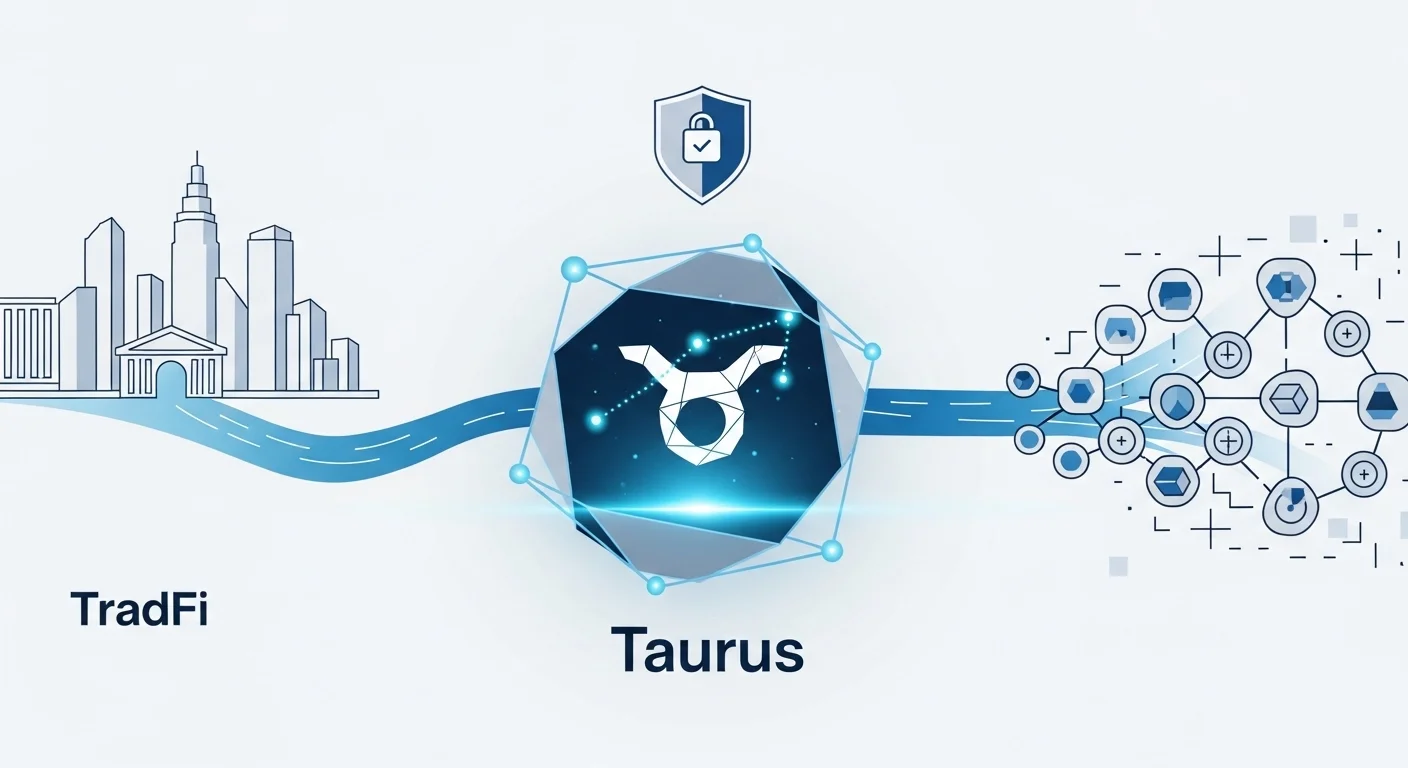
For years, the primary bottleneck preventing the mass adoption of digital assets by traditional financial institutions (TradFi) was not technological capacity, but regulatory ambiguity. MiFID II (Markets in Financial Instruments Directive II) is arguably one of the world's most comprehensive and demanding regulatory frameworks, governing everything from investment advisory to trade execution in EU markets. By obtaining this license, Taurus is effectively building a compliant bridge, allowing the nascent, digitally native world of distributed ledger technology (DLT) to interface directly with the deeply established, risk-managed systems of European banking and investment houses. The scope of services gained is vast, encompassing the regulated handling of diverse instruments, including complex tokenized Digital Ledger Technology (DLT) financial instruments.

A depiction of a stylized digital asset infrastructure connecting regulated financial institutions within the European Union.

How Does MiFID II Compliance de-Risk Tokenization?

To understand the gravity of this achievement, one must first grasp the inherent regulatory demands of MiFID II. The directive mandates comprehensive investor protection, meticulous record-keeping, detailed transparency regarding costs, and strict rules on market abuse. When applied to digital assets, which are often perceived as outside the established regulatory perimeter, the challenge is immense. Taurus’ compliance signifies that its tokenization infrastructure—the entire pipeline—is architected to meet these demanding requirements.

The coverage provided goes far beyond simple asset issuance. The license authorizes Taurus to facilitate the full lifecycle of modern financial instruments. This includes the capability to manage tokenized bonds, fund shares, equity, and complex structured products. This capability is transformative because it means the infrastructure handles not just the digital representation of ownership, but the compliant, regulated mechanism by which that ownership changes hands. For institutional clients, this is the guarantee that the process, from the moment of initial issuance to the final settlement on a secondary exchange, is legally protected under EU law.

Technical Depth: From RWA to Programmable Securities

At the core of Taurus' technical offering is the concept of tokenizing Real-World Assets (RWAs). An RWA is any physical or traditional financial asset (like real estate, private equity stakes, or corporate debt) whose ownership rights are mirrored and represented by a digital token on a blockchain. The MiFID II license layer ensures that this digital mirror image is legally robust.

The technical infrastructure must manage several critical functions concurrently:

  1. Compliance Layers: Implementing real-time checks for Anti-Money Laundering (AML) and Know Your Customer (KYC) procedures.
  2. Tokenization Engine: The ability to represent complex, fractionalized assets onto a digital ledger.
  3. Regulatory Gateway: Ensuring that all trades and transfers comply with local and international financial regulations, making the system auditable and compliant by design.

This blend means that the infrastructure isn't just a technology solution; it's a regulated financial utility. It bridges the trust gap between legacy finance and decentralized technology.

Why the EU Framework is Crucial

The choice of the European regulatory framework is not arbitrary. The EU is pioneering digital finance regulation (e.g., MiCA - Markets in Crypto-Assets). By operating within this highly regulated environment, Taurus signals that its technology is built for global, institutional adoption, not just speculative trading. This depth of regulatory integration is what makes the platform attractive to pension funds, asset managers, and sovereign wealth funds—the very institutions that drive institutional finance.


Conclusion: The Institutional Bet on Digital Assets

The acquisition of MiFID II/MiCA compliance represents the maturation of the digital asset space. It signals that the industry is moving past the speculation phase and into the institutional settlement phase.

For the traditional finance sector, the ability to fractionalize illiquid, complex assets (like real estate funds or private equity stakes) and trade them instantly, securely, and compliantly on a digitized ledger is an unparalleled opportunity. By mastering this difficult intersection of law, finance, and technology, Taurus is not just participating in the digital asset economy; it is providing the essential regulatory plumbing that allows traditional capital to flow into the modern digital infrastructure.

This market maturation is a pivotal moment, promising to redefine how global capital is raised, traded, and managed.

About the Author

F

Fintech Monster

Fintech Monster is run by a solo editor with over 20 years of experience in the IT industry. A long-time tech blogger and active trader, the editor brings a combination of deep technical expertise and extended trading experience to analyze the latest fintech startups, market moves, and crypto trends.