The Dawn of Agentic AI in Finance: Experian and ServiceNow Launch a New Operating System for Lending
Key Takeaways
The partnership introduces an Agent Operating System (AOS) to provide a regulated framework for autonomous agents to manage complex, compliance-heavy lending workflows such as KYC and underwriting.
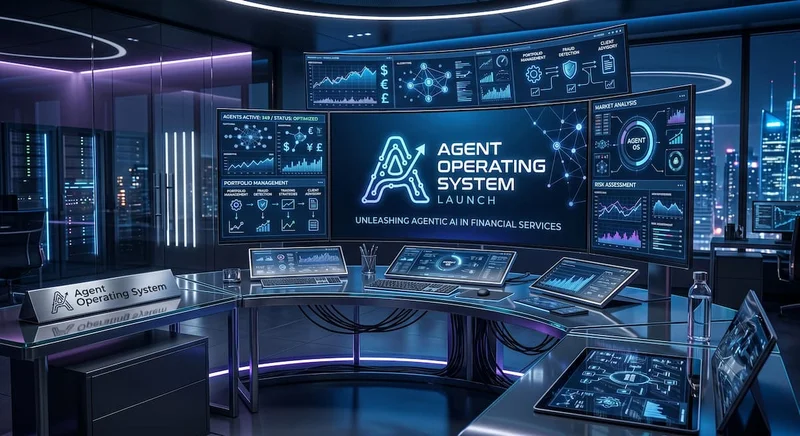
Financial services are shifting from experimental generative AI—where users interact with chatbots—to "agentic" AI, where autonomous systems execute multi-step tasks within strictly defined parameters. The latest move by Experian and ServiceNow to launch an Agent Operating System (AOS) marks a critical milestone in this evolution. By merging high-level workflow orchestration with deep credit data expertise, the two giants are creating the necessary infrastructure for financial institutions to deploy "regulated agentic AI" that can handle high-stakes transactions without human intervention at every step.
While many fintech firms have struggled to move past simple conversational interfaces due to fears of hallucination and lack of control, this collaboration targets a specific bottleneck: the complexity of lending workflows. For decades, loan processing has been bogged down by manual data entry, fragmented documentation verification, and high-friction compliance checks. The AOS is designed to replace these manual cycles with autonomous agents capable of navigating the entire lifecycle of a loan—from initial intake to ongoing servicing—while operating within a "compliance-first" guardrail system that ensures adherence to federal and international laws.
Why is the industry shifting toward "Agentic" AI instead of standard bots?
To understand why this matters, we must distinguish between generative tools and agentic systems. A standard chatbot might tell a customer how to apply for a loan; an agentic system actually performs the tasks involved in processing that application. This includes cross-referencing identity documents, verifying income against tax records via external APIs, and automatically flagging only high-risk exceptions for human review.
By utilizing ServiceNow’s platform as the backbone, the AOS provides what industry insiders call "the rails." These are the pre-defined pathways and logging systems that ensure an autonomous agent doesn't deviate from corporate policy or regulatory requirements. For a bank, this is the difference between an experimental tool and an enterprise-grade solution. The inclusion of Experian’s vast repository of credit risk and identity data ensures that these agents aren't just moving through steps blindly; they are making data-driven decisions informed by some of the world's most comprehensive financial datasets.
How does the Agent Operating System handle strict compliance requirements?
Consumer and commercial lending requires strict compliance. Institutions must strictly adhere to regulations such as the Equal Credit Opportunity Act (ECOA), the Fair Credit Reporting Act (FCRA), and various anti-money laundering (AML) statutes. A standard generative AI model could potentially produce biased outcomes or leak sensitive information, leading to massive fines and reputational damage.
The AOS addresses this by housing the intelligence within an operating system rather than
Google Search Preference
Add Fintech Monster to your preferred sources
Never miss deep, analytical fintech insights. Prioritize our stories in your Google Search, Discover feed, and AI Overviews with one click.
About the Author
Fintech Monster
Fintech Monster is run by a solo editor with over 20 years of experience in the IT industry. A long-time tech blogger and active trader, the editor brings a combination of deep technical expertise and extended trading experience to analyze the latest fintech startups, market moves, and crypto trends.