The State Law Shield: Why Gary Gensler’s Warning to Prediction Markets Could Reshape DeFi
Key Takeaways
Former SEC Chair Gary Gensler’s recent warnings emphasize that decentralized prediction markets are not exempt from state-level securities laws, necessitating a shift toward "compliance-by-design" in the DeFi sector.
The conversation around regulating prediction markets shifted recently after comments from former SEC and CFTC Chair Gary Gensler. His main point—that a platform's popularity or decentralized design doesn't make it exempt from state-level securities laws—is a major wake-up call for the crypto space. Gensler pointed out that federal oversight doesn't automatically override state laws on "investment contracts." This means platforms trading on future outcomes need to deal with a maze of local laws, rather than just hiding behind the idea of "borderless" blockchain tech.
This brings up a key concept in US securities law: preemption. Prediction markets have always existed in a gray area, somewhere between sharing information, gambling, and financial speculation. However, when these platforms involve assets that could be classified as investment contracts under the Howey Test, they fall squarely within the jurisdiction of both federal regulators and individual state authorities. So, even if a protocol follows federal rules or runs strictly decentralized, individual states can still go after them for selling unregistered securities to their residents.
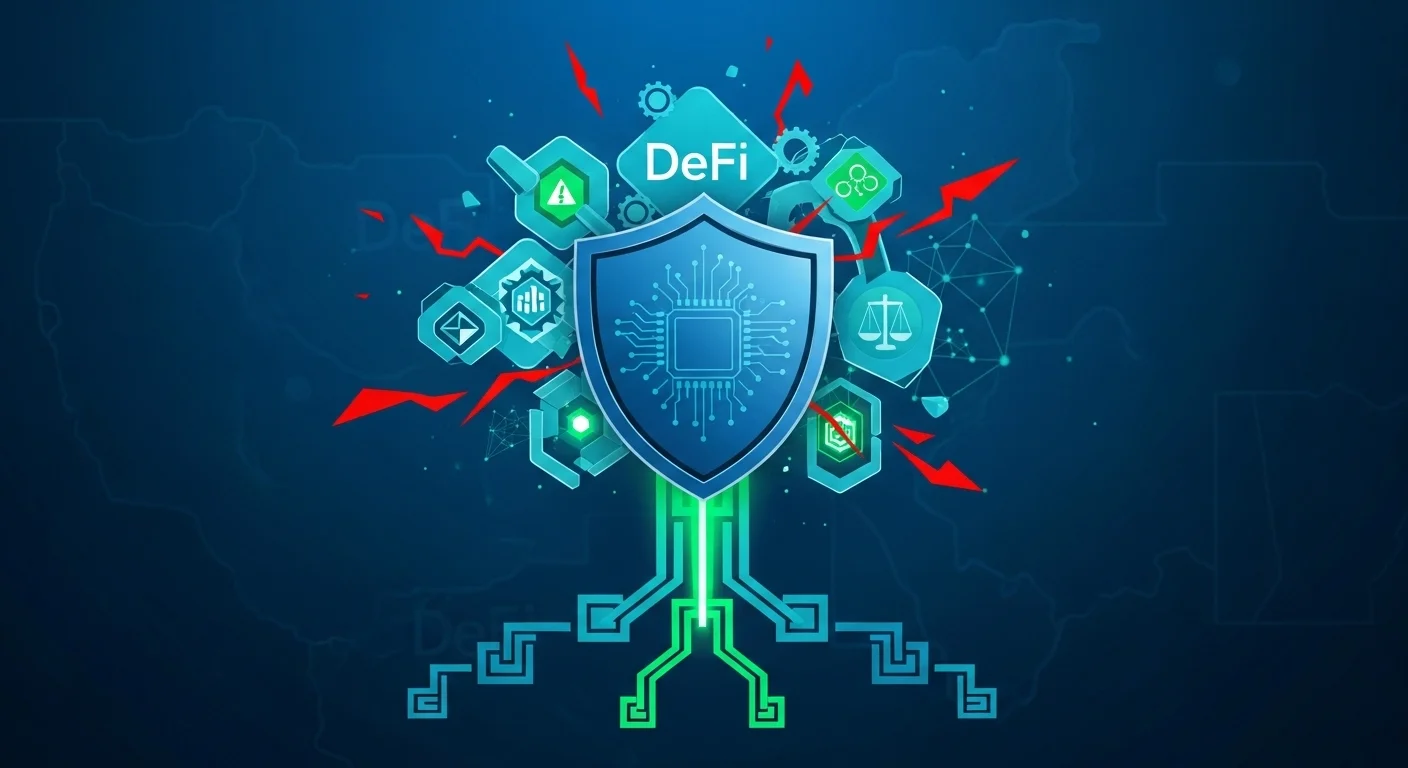
Why do state-level laws create such a challenge for "borderless" platforms?
The real issue is that there's no single federal rule that completely replaces state authority in securities law, which is often controlled by state "Blue Sky" laws. For prediction market developers, this creates a massive logistical hurdle. Instead of adhering to one set of rules to operate nationally, these firms may find themselves facing 50 different sets of requirements depending on where their users are located. This kind of complexity is forcing platforms to change how they're built. To survive, many are shifting to "compliance-by-design" models.
Instead of arguing they shouldn't be regulated, developers are building compliance straight into their smart contracts and front-end code. These features include sophisticated geofencing—using IP filtering and geolocation to restrict access from specific regions—and the implementation of robust Know Your Customer (KYC) protocols at the point of entry. The idea is to stop users in strictly regulated states from interacting with unregistered contracts without verification, which protects the platform from local lawsuits.
How will this impact the future of DeFi infrastructure?
This has big implications for DeFi and will likely push the industry toward more structured setups. One major trend is the shift toward permissioned liquidity pools. In these models, not every user can interact with a contract; instead, only those who have been verified by an intermediary or a compliance layer are granted access. While this moves away from the purely permissionless ethos of early crypto, it creates a viable pathway for large-scale adoption and institutional participation.
We're also seeing DAOs use more complex legal "wrappers." By setting up legal entities that can talk to traditional banks and state regulators, they're trying to establish clear accountability. This is especially critical for the on-ramps and off-ramps—the points where fiat currency enters or exits the ecosystem. Regulators are more likely to target these centralized touchpoints first, forcing decentralized protocols to adopt "gatekeeper" functions even if they prefer not to do so.
Will prediction markets become a fragmented landscape?
It's highly likely the market will split based on what regulators will tolerate. Prediction platforms may have to offer different "tiers" of products: certain complex derivatives or specific
Google Search Preference
Add Fintech Monster to your preferred sources
Never miss deep, analytical fintech insights. Prioritize our stories in your Google Search, Discover feed, and AI Overviews with one click.
About the Author
Fintech Monster
Fintech Monster is run by a solo editor with over 20 years of experience in the IT industry. A long-time tech blogger and active trader, the editor brings a combination of deep technical expertise and extended trading experience to analyze the latest fintech startups, market moves, and crypto trends.