Vietnam’s Strategic Pivot: The Road to a State-Sanctioned Crypto Asset Market
Key Takeaways
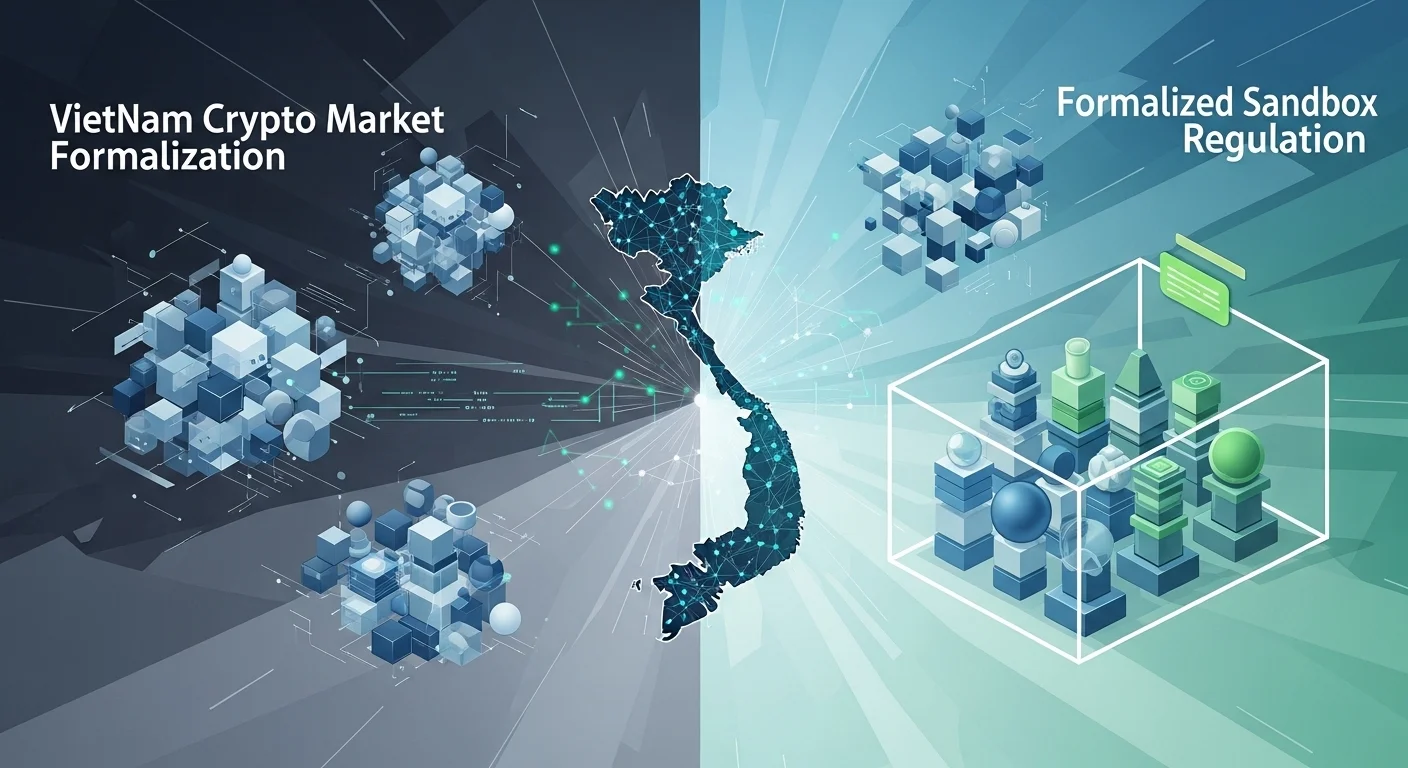
Vietnam is moving from a high-growth "gray zone" to a formalized regulatory sandbox for crypto assets, aiming to institutionalize the market and provide legal clarity for global and domestic investors.
Vietnam's digital finance landscape is transitioning from an unregulated retail environment to a state-sanctioned framework. The State Securities Commission (SSC) has signaled its intent to launch a pilot program specifically designed for crypto asset trading, marking a fundamental shift in the nation's approach to decentralized finance and blockchain technology. This move is intended to transform a highly active but loosely governed market into a structured ecosystem that can support both local growth and international institutional capital.
This change is driven by Vietnam’s unique position within the global cryptocurrency landscape. Currently, the country ranks seventh globally in total crypto users and fifth in transaction growth rate, indicating an unprecedented level of grassroots adoption. By establishing a regulated "sandbox," the government aims to capture this momentum while mitigating the risks inherent in anonymous trading. This strategic pivot seeks to bridge the gap between high-velocity retail interest and the stable, transparent requirements of traditional financial systems (TradFi).
Why is Vietnam formalizing its crypto landscape now?
A main reason for the State Securities Commission’s push for a pilot program is the necessity of market integrity. For years, the "gray zone" status of digital assets in the region allowed for rapid growth but also exposed participants to significant risks from market manipulation and fraudulent operators. By moving toward a regulated trading environment, the government intends to create a shield for investors. Central to this effort is the implementation of rigorous Know Your Customer (KYC) and Anti-Money Laundering (AML) protocols. These measures are designed to align Vietnam with international standards set by the Financial Action Task Force (FATF), making it possible for the country to integrate more seamlessly with global financial hubs.
Beyond just safety, the move is about infrastructure. A regulated pilot program allows the government to define what exactly constitutes a "crypto asset" versus an investment security. This distinction is vital for providing legal recourse; without clear definitions, investors have no protection when platforms fail or assets are misappropriated. By establishing these rules now, Vietnam is building the legal plumbing required to move from a speculative retail playground to a legitimate investment vehicle that can accommodate institutional players such as hedge funds and private equity firms.
How will this change things for big-money investors?
For many years, institutional capital has stayed on the sidelines of the Vietnamese crypto market due to a lack of clarity regarding ownership, liability, and compliance. The proposed pilot program serves as an invitation to these entities by dismantling those barriers. By creating a state-sanctioned environment, the government is encouraging the development of localized infrastructure—specifically high-standard custody services, licensed brokerage platforms, and reliable liquidity providers.
When institutions have "legal certainty," they can put down serious capital without fearing regulatory backlash. By using regulated platforms to curb extreme volatility, the pilot program also aims to create a more stable environment for large players. The goal is to funnel existing retail energy into structured products for sustainable growth, rather than just high-risk speculation.
What does this mean for the wider Southeast Asian region?
Vietnam's proactive stance matters a lot for the broader ASEAN economic bloc. Since Vietnam is one of the world's most active digital asset markets, their regulatory approach serves as a blueprint for neighboring countries. By balancing innovation with oversight, Vietnam could become a regional leader in blockchain financial infrastructure. This could spark cross-border cooperation and the creation of regional liquidity pools, establishing Southeast Asia as a major hub for global digital asset trading.
Google Search Preference
Add Fintech Monster to your preferred sources
Never miss deep, analytical fintech insights. Prioritize our stories in your Google Search, Discover feed, and AI Overviews with one click.
About the Author
Fintech Monster
Fintech Monster is run by a solo editor with over 20 years of experience in the IT industry. A long-time tech blogger and active trader, the editor brings a combination of deep technical expertise and extended trading experience to analyze the latest fintech startups, market moves, and crypto trends.