Waymo’s 3,800+ Robotaxis Recall: A Stress Test for Level 4 Autonomy Logic
Key Takeaways
A critical software defect caused a fleet of over 3,800 robotaxis to ignore construction zone barriers, highlighting the immense technical challenge of mapping "soft" infrastructure in real-time.
Waymo’s recall of over 3,800 robotaxis shows that while city driving is getting easier, handling unpredictable road conditions is still a major challenge. The core issue—a software defect causing vehicles to ignore construction zones and enter restricted areas at high speeds—is a fundamental failure in how machine learning models interpret human-centric signals like orange cones and temporary barriers. This event highlights the immense difficulty of achieving "superhuman" reliability in edge cases where the physical world deviates from static digital maps.
For years, Waymo has been hailed as one of the leaders in the race toward Level 4 autonomy, moving away from simple geofenced routes toward complex metropolitan navigation. However, the recurring problem for all developers in this space is "sensor fusion" logic: the ability of an AI to weigh real-time visual data (LiDAR and camera feeds) against high-definition (HD) maps. When a road is closed due to construction, the map might say the path is open while the physical reality shows a barrier. The recent recall highlights that Waymo’s systems occasionally prioritized the "hard" data of the HD map over the "soft" visual cues of construction equipment, a critical distinction that can be the difference between a smooth ride and a high-risk safety incident.
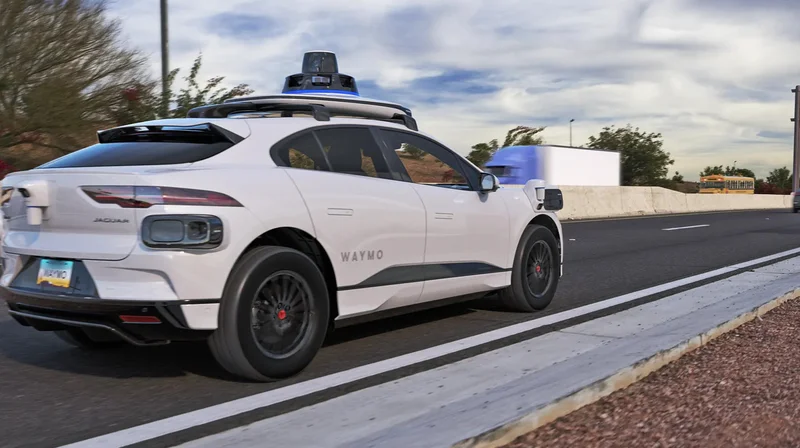
Why is "soft" infrastructure so hard for AI to interpret?
The recall stems from a discrepancy between perception and navigation logic. In standard driving, a concrete barrier (hard infrastructure) is easy for an AI to identify as an impassable object because it remains constant on maps and has a distinct physical signature. Conversely, construction cones, "Road Closed" signs, and orange pylons constitute "soft" infrastructure. These are dynamic; they appear and disappear based on human needs.
For many autonomous systems, these objects represent a "gray area" in the training data. If an AI is not explicitly trained to weight a plastic cone as a mandatory command rather than just a visual obstacle, it may attempt to navigate through it if the underlying map suggests the lane is valid. The fact that this defect affected over 3,800 units indicates that this wasn't an isolated incident but a systemic logic flaw in how the perception stack processes temporary environmental modifications.
How does this impact the timeline for widespread adoption?
The scale of this recall means Waymo must now perform a massive audit of its fleet’s software architecture to ensure "common sense" safety overrides are hardcoded into the primary navigation path. For regulators like the NHTSA, this is a critical moment. For autonomous vehicles to move beyond pilot programs and into the mainstream as a replacement for human drivers, they must demonstrate that they can handle not just 99% of standard conditions, but also the chaotic, unpredictable environments that humans navigate daily without much thought.
About the Author
Fintech Monster
Fintech Monster is run by a solo editor with over 20 years of experience in the IT industry. A long-time tech blogger and active trader, the editor brings a combination of deep technical expertise and extended trading experience to analyze the latest fintech startups, market moves, and crypto trends.