Decoding Binance Wallet's Zero-Fee Strategy: A Deep Dive into the Future of Crypto Accessibility
Key Takeaways
Binance's new zero-fee structure heavily favors its mobile application by eliminating both service and on-chain gas fees, signaling a focused effort to drive high-frequency user adoption and solidify platform loyalty.
The announcement of zero service fees and gas fee waivers within the Binance Wallet ecosystem is far more than a simple cost reduction—it represents a sophisticated strategic maneuver to optimize the user journey and solidify market dominance in the highly fragmented digital asset space. By eliminating primary transaction friction points, Binance is sending a clear signal: the mobile application is positioned as the most streamlined and accessible gateway for decentralized finance (DeFi) interactions. This move doesn't just make trading cheaper; it fundamentally alters the incentive structure for how and where users interact with their assets.
For years, the cost structure of digital asset management—the combination of service fees, exchange spreads, and unpredictable on-chain gas fees—has been a persistent point of friction, acting as a key inhibitor to mainstream crypto adoption. While many platforms attempt to solve this through yield farming or liquidity incentives, Binance has chosen a direct, cost-mitigation approach. This massive tactical overhauling of the fee mechanism is a declaration that the primary bottleneck to micro-transaction activity is the cost itself, and eliminating that cost is the most powerful driver of volume and daily active users (DAU).
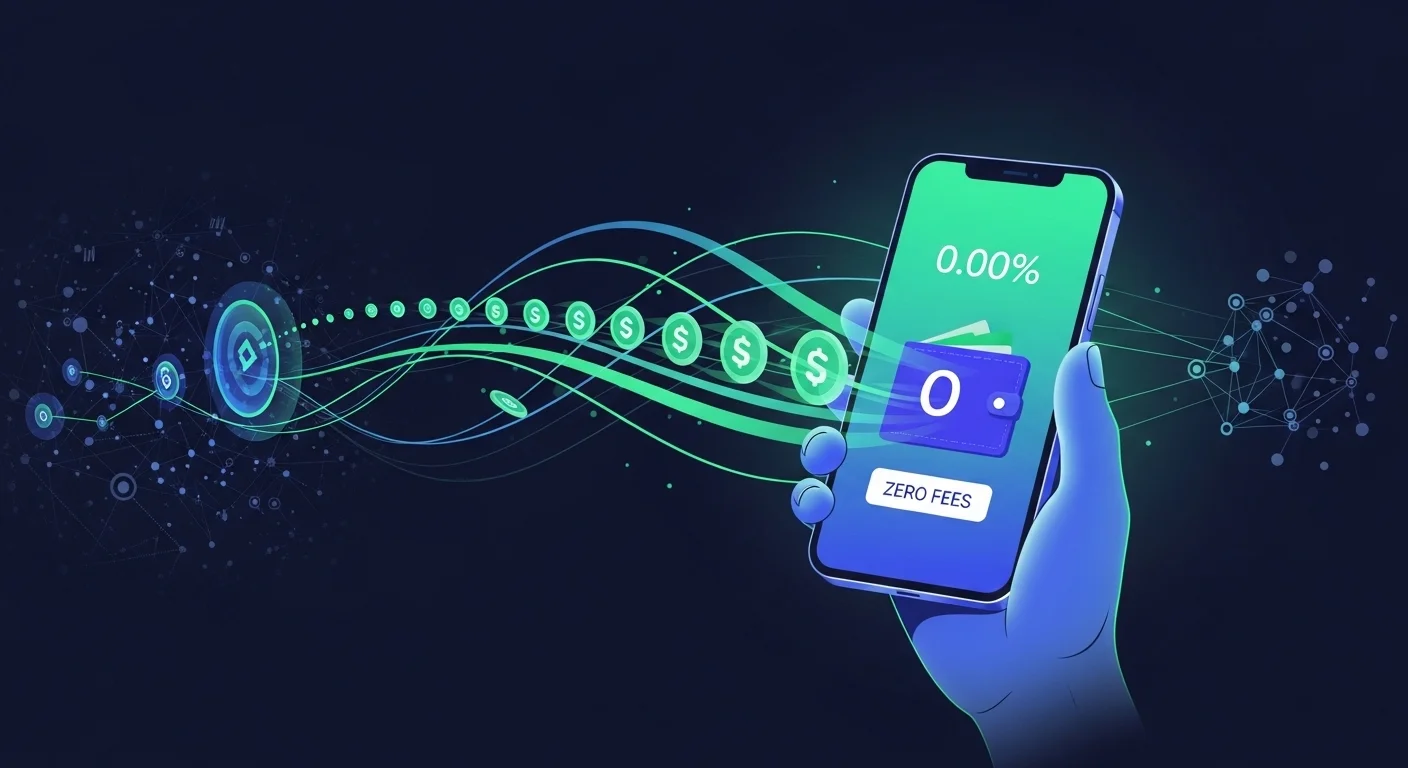
Why Is Binance Differentiating Fees Based on the User's Device?
The most critical takeaway from the recent overhaul is the extreme granularity of the fee structure. It is not a universal zero-fee promotion. Instead, Binance has implemented a tiered incentive model that dramatically favors the native mobile application experience. Analyzing this differential treatment reveals a clear strategic funnel: the goal is to maximize platform stickiness and usage frequency within the mobile environment.
The distinction between the service fee and the on-chain gas fee is pivotal. The Service Fee is Binance’s charge for the technological interface and the specialized services (like integrated swaps), while the On-Chain Gas Fee is the charge paid to the underlying blockchain network (like Ethereum or BNB Chain) for validating and recording the transaction. By targeting both independently, the company gains layered control over the user experience.
When the service fee is eliminated for eligible swaps (categorized into groups like Group 1 and Group 2 based on token types), the user perceives an immediate, tangible saving. This is designed to increase the velocity of swaps and liquidity utilization within the platform's managed ecosystems. However, the deepest cost benefit—the zero on-chain gas fee—is strictly reserved for transactions initiated via the mobile app. This exclusivity is the keystone of the entire strategy.
How Does the Exclusion of the Browser Extension Change Things?
The explicit and consistent exclusion of the browser extension from the zero-fee benefits (both service and gas) is arguably the most telling strategic signal in the entire package. In an ideal scenario, a platform seeks to minimize friction across all entry points. By creating a clear cost barrier for the browser extension, Binance subtly diminishes the relative utility of that access method compared to the mobile app.
This creates a powerful incentive funnel: if a user wants the fastest, cheapest, and most seamless experience, they are directed to the mobile app. This architectural decision shifts the user journey from "where can I access this wallet?" to "I must use the mobile app to access this wallet optimally," significantly increasing the platform’s moat against competitors who might offer similar web or extension experiences.
Key Facts
- Mobile App Benefit: The mobile application receives the most comprehensive benefit, offering both zero service fees AND zero on-chain gas fees, positioning it as the primary, premium channel.
- Gas Fee Scope: The zero on-chain gas fee waiver is reported as being exclusively applicable to transactions completed through the mobile app, addressing the variable cost of blockchain consensus.
- Web/Extension Differential: Both the web version and the browser extension lack the full zero-fee benefits, particularly regarding the on-chain gas waiver, creating a cost incentive to migrate to mobile.
- Service Fee Targeting: Service fee waivers are conditional, applying only to eligible swap groups (e.g., specific token pairs or groups 1/2), indicating targeted efforts to boost liquidity in controlled areas.
What Are the Macro-Economic Implications of This Zero-Fee Trend?
The systemic implications of this type of hyper-focused fee reduction extend far beyond Binance's balance sheet; they redefine the fundamental calculus of consumer behavior in DeFi. Zero fees are a massive attempt to solve the Cold Start Problem for retail users.
Historically, complexity and cost—the high transaction costs associated with early blockchain implementations—have served as the primary gatekeepers to the crypto economy. By absorbing these costs, Binance significantly lowers the entry barrier, making digital asset use accessible to novice investors and integrating crypto into daily life scenarios that previously demanded specialized, costly services. This shift suggests a maturation of the user base, moving from speculators to utility users.
Furthermore, this strategy could accelerate the institutional adoption curve. Institutional players often require robust, predictable, and scalable infrastructure with predictable costs. By managing the user friction and cost points, the platform positions itself as a dependable backbone for institutional integration.
Ultimately, this move is a clear market signal: the platform is prioritizing user acquisition volume and habit formation over maximizing immediate transaction fees. Once a user embeds the habit of using the platform for fundamental transactions, the subsequent revenue streams from trading commissions, staking, or ancillary services become far more reliable and substantial.
Google Search Preference
Add Fintech Monster to your preferred sources
Never miss deep, analytical fintech insights. Prioritize our stories in your Google Search, Discover feed, and AI Overviews with one click.
About the Author
Fintech Monster
Fintech Monster is run by a solo editor with over 20 years of experience in the IT industry. A long-time tech blogger and active trader, the editor brings a combination of deep technical expertise and extended trading experience to analyze the latest fintech startups, market moves, and crypto trends.