How ADI Chain is Digitizing Global Finance: The RWA Tokenization Play in the UAE
Key Takeaways
ADI Chain, supported by UAE regulators, is building a sophisticated, compliant L2 infrastructure enabling the end-to-end tokenization and settlement of global real-world assets, establishing the UAE as a dominant financial technology hub.
The convergence of established financial institutions, specialized blockchain architecture, and the rapidly expanding market for tokenized real-world assets (RWAs) is establishing a profoundly sophisticated digital asset corridor. The United Arab Emirates is positioning itself at the epicenter of this revolution, effectively building a highly regulated digital backbone designed to modernize and streamline global capital flows. This is not merely a technological upgrade; it represents a fundamental re-engineering of how assets—from corporate equities to sovereign bonds—are represented, traded, and settled in the 21st century, transitioning traditional finance onto the secure rails of decentralized ledger technology (DLT).
For decades, global finance has relied on complex, time-intensive, and often opaque legacy systems. Cross-border settlement and asset custody involve multiple intermediaries, each adding layers of cost, delay, and counterparty risk. The current paradigm is struggling to keep pace with the speed and digitization demanded by modern global commerce. This systemic friction has created a powerful impetus for an alternative: tokenization. The goal, exemplified by the ADI Chain ecosystem, is to create a single, compliant, end-to-end digital asset lifecycle infrastructure. This ambitious architecture aims to bridge the massive liquidity of traditional capital markets with the unprecedented efficiency and transparency offered by blockchain technology, all while maintaining rigorous adherence to established regulatory frameworks, thereby de-risking institutional adoption.
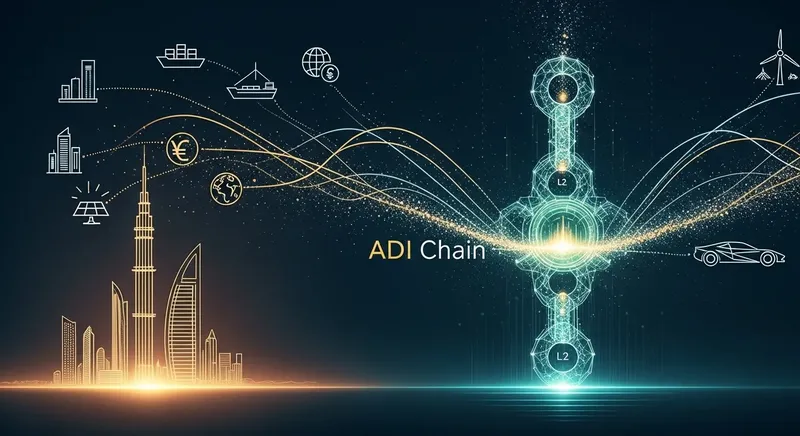
Deconstructing the Infrastructure of Modern Finance
The success of this new financial paradigm hinges on robust infrastructure capable of bridging compliance requirements with technological innovation. The architecture supporting the ADT initiative features several critical components:
- Regulatory Backbone: The integration of regulatory oversight is paramount. By embedding compliance requirements directly into the smart contract layer, participants gain immediate confidence that transactions are traceable, auditable, and jurisdictionally sound.
- Interoperability: The system must interact seamlessly with existing legacy financial institutions, ensuring that digital assets can move through established payment rails without creating operational silos.
- Asset Tokenization: This process converts real-world assets (like bonds, commodities, and stocks) into digital, programmable tokens, drastically reducing settlement times from days to minutes.
Key Pillars Driving Digital Transformation
The current market activity highlights three driving forces reshaping institutional finance:
- Real-Time Settlement: The shift from batch processing to near-instantaneous settlement capability drastically reduces counterparty risk and frees up significant liquidity for productive investment.
- Programmability: Tokens are not merely digital representations; they are programmable. This allows for automated execution of covenants, dividend payouts, and collateral management—processes previously requiring layers of manual intervention.
- Global Reach: By establishing a standardized digital backbone, the system facilitates borderless capital flows, opening new markets for international investment.
The Mechanics of the Ecosystem (The Tech Layer)
The implementation of this complex structure is managed through advanced distributed ledger technology (DLT). The system, in practice, functions as a secure, shared ledger that allows multiple regulated entities to participate simultaneously without sacrificing data integrity or privacy.
ADT Ecosystem Core Components:
| Component | Function | Benefit |
|---|---|---|
| DLT Platform | The immutable, shared ledger for all transaction records. | Highest level of transparency and auditability. |
| Smart Contracts | Self-executing, programmatic agreements governing asset transfer and rules. | Automation, eliminating reliance on manual intermediaries. |
| Tokenization Engine | The mechanism that converts legal assets into digital, divisible tokens. | Instant divisibility and fractional ownership. |
| Regulatory Module | Integrated compliance checks (KYC/AML) at the point of transaction. | Risk mitigation and regulatory certainty. |
Enhancing Utility Through Integration
The value proposition of the ADT platform is its ability to combine multiple services—trading, custody, settlement, and compliance—into a single, unified digital workflow.
- From Manual Process to Code: Traditional processes like syndicating a corporate bond involve legal documentation, multiple custodians, and manual clearing. The digital platform abstracts this complexity into a series of governed, atomic transactions.
- Increased Accessibility: By fractionalizing ownership through tokenization, the platform opens traditionally illiquid, high-value assets to a broader investor base, fostering deeper capital markets participation.
The ongoing development within this ecosystem positions digital infrastructure not merely as an upgrade, but as the fundamental operating system for the next generation of global finance.
Google Search Preference
Add Fintech Monster to your preferred sources
Never miss deep, analytical fintech insights. Prioritize our stories in your Google Search, Discover feed, and AI Overviews with one click.
About the Author
Fintech Monster
Fintech Monster is run by a solo editor with over 20 years of experience in the IT industry. A long-time tech blogger and active trader, the editor brings a combination of deep technical expertise and extended trading experience to analyze the latest fintech startups, market moves, and crypto trends.