Synthesia Raises $200 Million at $4 Billion Valuation and Enables Structured Employee Liquidity
Key Takeaways
Synthesia secures $200M Series E led by GV, doubling its valuation and introducing a structured employee liquidity program.
Key Facts on Synthesia's Funding:
- Amount Raised: $200 Million Series E
- Valuation: $4 Billion
- Lead Investor: GV (Google Ventures)
- Corporate Implication: Includes a structured liquidity program for employees matching the $4B valuation.
A British artificial intelligence company, Synthesia, has secured a new $200 million Series E funding round at a $4 billion valuation, nearly doubling its valuation from about $2.1 billion in early 2025. The round was led by GV, the venture capital arm of Alphabet Inc. (Google), with participation from a mix of longstanding investors and new entrants. This development reflects sustained investor confidence in enterprise AI applications that extend beyond model training hype.
What is Synthesia's Business Model?
Synthesia is a London-based startup founded in 2017 by Victor Riparbelli, Steffen Tjerrild, and others with research backgrounds in machine learning and computer vision. The company develops generative AI tools that produce video content featuring realistic human avatars from text input. Enterprise customers use this technology for corporate training, internal communications, and knowledge dissemination.
The platform’s core value proposition is converting traditional text-based materials into multilingual video content without cameras, actors, or studio production. This approach has broadened adoption among large organizations, with reports indicating a significant majority of Fortune 100 companies as users.
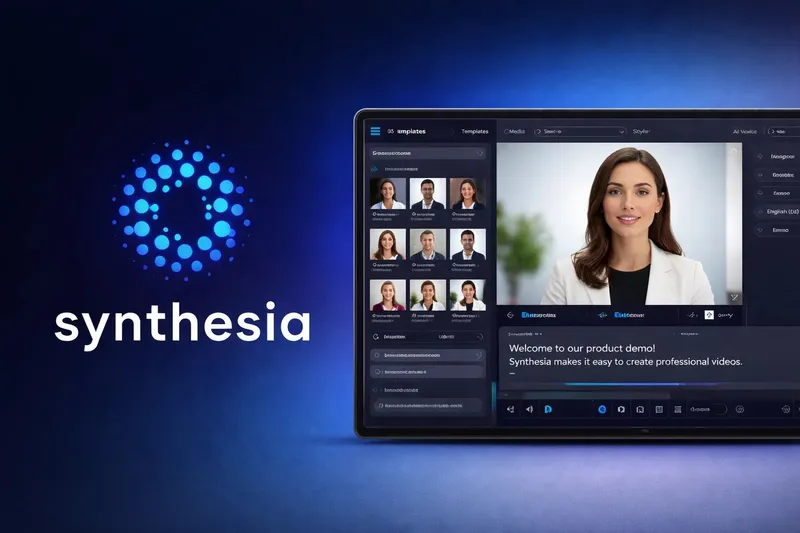 Synthesia secures $200M to expand its enterprise AI video platform.
What are the Funding and Cap Table Dynamics?
The Series E round was anchored by GV, reaffirming its strategic stake. Other existing backers including Accel, Kleiner Perkins, New Enterprise Associates (NEA), NVIDIA’s NVentures, Air Street Capital, and PSP Growth also participated. New investors such as Evantic Capital and Hedosophia joined the cap table.
A notable aspect of this funding event is a structured liquidity program for employees. Instead of uncoordinated secondary transactions at disparate prices, Synthesia partnered with Nasdaq’s private markets unit to tie employee share sales to the same $4 billion valuation. This mechanism standardizes internal liquidity and aligns these transactions with the company’s broader financing strategy.
What is Synthesia's Market Position?
Synthesia has reported annual recurring revenue exceeding $100 million, a milestone achieved by April 2025 and confirmed by multiple sources. Enterprise uptake and customer expansion have been cited as drivers of this growth.
Revenue figures vary by estimate, but independent data suggests significant growth with balanced geographic exposure across North America, Europe, and Asia. Customer support spans a range of sectors including manufacturing, pharmaceuticals, and software.
How is the Product Evolving Toward Interactive AI?
Beyond video generation, Synthesia has signalled strategic investment in interactive “AI agents” that extend the avatar model to dynamic, conversation-like engagements. The company frames these systems as tools for knowledge exploration, tailored training, and scenario role-play. This represents a shift from static video production to AI systems that simulate interactive interlocutors.
Pilot feedback reportedly shows enhanced engagement and knowledge transfer compared with traditional learning formats. However, the underlying technology for robust real-time interaction remains in development, and broad commercial deployment is prospective rather than established.
What Does This Signal for the AI Market?
This funding event highlights two broader trends. First, enterprise-oriented AI applications that offer clear utility and revenue models are attracting sustained capital even as foundational model startups navigate profitability challenges. Second, structured employee liquidity in private markets is becoming more common among later-stage companies that remain outside public markets.
What Are the Corporate AI Adoption Implications?
Structured secondary transactions may influence how private AI companies retain and incentivize talent in a competitive labor market. These mechanisms can provide early employees with liquidity while keeping firms private longer. On the competitive front, Synthesia’s focus on enterprise workflows sets it apart from consumer-facing video AI tools, though larger incumbents such as Adobe and emerging rivals continue to push into adjacent segments.
The move toward interactive AI agents suggests a broader shift in corporate training and internal knowledge management, but the practical capabilities and adoption timelines of these systems remain contingent on continued technical progress.
Google Search Preference
Add Fintech Monster to your preferred sources
Never miss deep, analytical fintech insights. Prioritize our stories in your Google Search, Discover feed, and AI Overviews with one click.
About the Author
Fintech Monster
Fintech Monster is run by a solo editor with over 20 years of experience in the IT industry. A long-time tech blogger and active trader, the editor brings a combination of deep technical expertise and extended trading experience to analyze the latest fintech startups, market moves, and crypto trends.