The $15 Billion Bridge: How Tokenizing US Treasuries Rewrites Global Finance Infrastructure
Key Takeaways
The $15 billion milestone in tokenized U.S. Treasury markets marks a profound structural shift, proving that digitized Real-World Assets (RWAs) are successfully bridging the vast liquidity of traditional finance into the programmable efficiency of Decentralized Finance (DeFi).
Table of Contents
Hitting $15 billion in tokenized U.S. Treasuries is a major inflection point. This isn't just another data point; it shows that we've successfully piped stable, traditional fixed-income assets straight into the highly liquid, programmable world of the blockchain. Major players like VanEck are tokenizing short-term Treasury bills (T-Bills), proving that the most stable assets in traditional finance can be fundamentally re-engineered for the digital age. It changes how capital is stored, moved, and used.
U.S. Treasuries have always been the bedrock of global liquidity, but bringing them into DeFi used to be a nightmare of slow settlements, high counterparty risk, and opaque over-the-counter (OTC) trading. Tokenization fixes the plumbing. By wrapping these regulated assets into blockchain-native tokens, a clunky, old-school instrument becomes a clean, verifiable digital security. It proves that Real-World Assets (RWAs) are the next logical step, finally giving DeFi the stability and institutional credibility it was missing.

Unlocking traditional finance through tokenization
The brilliance of tokenizing RWAs is that it keeps the stability of the underlying asset but ditches the clunky legacy infrastructure. Focusing on short-term T-Bills—which are liquid, credit-backed, and predictable—keeps risk and operational headaches low. They are the perfect entry point for institutions.
But this isn't just about printing a digital certificate. It requires a serious, regulated framework. Institutions need compliance, legal backing, and clear custody, which is why we're seeing partnerships with established infrastructure providers like Securitize. The resulting token is a direct, auditable claim on AAA-rated debt. Blending that kind of credit quality with cryptographic transparency is driving this massive growth, and it shows real trust in digital custody.
Programmability and fixed income utility
The biggest upgrade for fixed income is moving from just holding an asset to actively using it. In the old system, a Treasury note just sat on a ledger. Tokenized, it becomes programmable.
This unlocks capital strategies that used to only exist for volatile crypto assets. You can instantly use a tokenized Treasury as collateral in a DeFi lending protocol. It can be staked for programmatic yield or plugged into algorithmic vaults, all without losing the stability of sovereign debt. This turns T-Bills from a passive store of value into an active utility layer for decentralized finance. Plus, the efficiency is undeniable: instead of waiting days for a SWIFT wire to settle, blockchain settlements are near-instant, wiping out counterparty delay risk.
Systemic implications of the $15 billion milestone
Hitting $15 billion shows the market is building practical infrastructure. It shows that tokenization is solving real problems like settlement friction, opacity, and cross-border headaches.
When institutions embrace this model, it changes liquidity across the board. Assets that used to be slow-moving and complex become instantly tradable and composable within DeFi. For institutions trying to meet strict liquidity requirements, tokenized assets offer increased speed and flexibility. It's a clear sign that crypto is maturing from a speculative market into foundational financial infrastructure.
The ability to seamlessly tokenize everything from real estate to sovereign debt means the global financial system is getting an upgrade. We are building a more interconnected, efficient, and resilient infrastructure layer.
Google Search Preference
Add Fintech Monster to your preferred sources
Never miss deep, analytical fintech insights. Prioritize our stories in your Google Search, Discover feed, and AI Overviews with one click.
About the Author
Fintech Monster
Fintech Monster is run by a solo editor with over 20 years of experience in the IT industry. A long-time tech blogger and active trader, the editor brings a combination of deep technical expertise and extended trading experience to analyze the latest fintech startups, market moves, and crypto trends.
Related Articles
Recommended
Orca Leads the Charge: How Solana is Tokenizing Real-World Assets and Bridging DeFi to TradFi
Orca's new marketplace leverages Solana's high throughput to facilitate the tokenization of Real-World Assets (RWAs), marking a critical institutional pivot that anchors decentralized finance to tangible, legally backed assets.
The RWA Revolution: How Tokenized Stocks are Remaking Global Finance
Tokenization of real-world assets, particularly stocks, is fundamentally eliminating friction in global capital markets by providing 24/7 liquidity, fractional ownership, and blockchain-native settlement for traditional financial instruments.
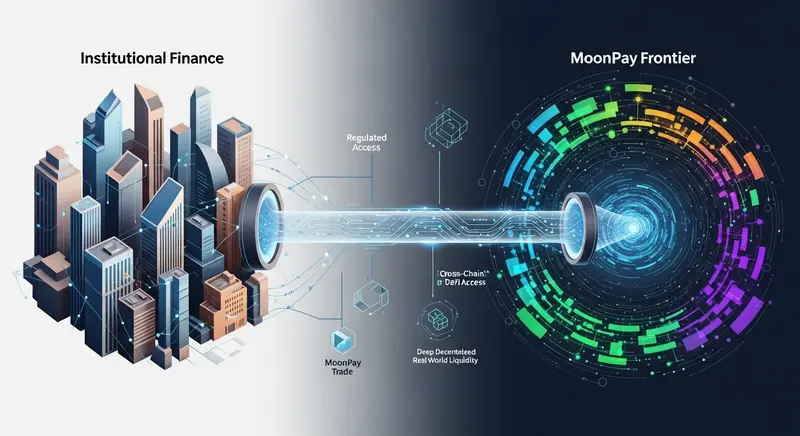
MoonPay Launches MoonPay Trade: How Institutional Finance is Being Wired to the Multi-Chain DeFi Frontier
MoonPay’s new institutional platform, MoonPay Trade, solves key structural problems for major banks by providing regulated, cross-chain access to deep decentralized liquidity, tokenized real-world assets (RWAs), and diverse DeFi protocols.
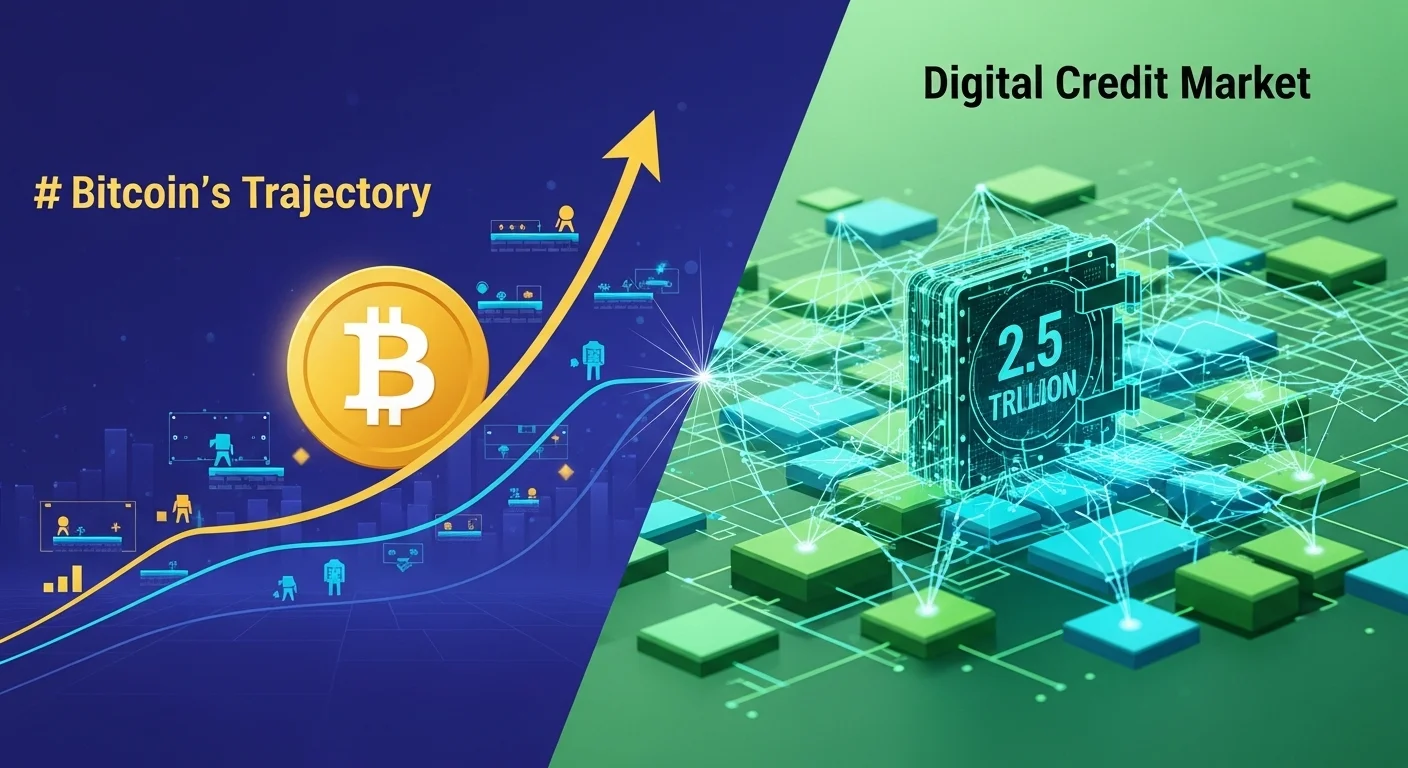
VanEck's Deep Dive: Why Bitcoin Could Hit $1M and the Digital Credit Market is Poised for $2.5 Trillion
Institutional analysis suggests Bitcoin's trajectory will mirror the video game industry's exponential growth, while the tokenization of real-world assets is set to scale the global digital credit market to $2.5 trillion within ten years.
The Great Convergence: Analyzing the SEC’s Potential Pivot Toward Tokenized U.S. Equities
The SEC is reportedly preparing a new regulatory framework to allow crypto firms to offer tokenized U.S. stocks, potentially enabling near-instant "T+0" settlement and accelerating the integration of blockchain into traditional equity markets.